Why Is Port Angeles Famous?
Port Angeles is famous as the main gateway to Olympic National Park, the home of the Coho ferry to Victoria and the driest base on the Olympic Peninsula. Here is what the town offers and which tours leave from it.
Why Is Port Angeles Famous?
Port Angeles is famous as the primary gateway to Olympic National Park. The park's main visitor center sits here, Hurricane Ridge rises 17 miles south of town, Lake Crescent lies about 18 miles west, and the Sol Duc Valley is roughly 40 minutes away by road. Add the Coho ferry to Victoria, a crossing of about 90 minutes, and an unusually mild 29.41 inches of annual rain, and the town becomes the natural base for almost any Olympic visit. If you're planning to explore on a budget, our guide to free things to do in Olympic National Park and Port Angeles is packed with ideas that cost nothing at all.
That combination is rare on the Olympic Peninsula. Forks, two hours west, averages 101.32 inches of rain a year under the same NOAA climate normals, while the western valleys of the park itself record 100 to 170 inches. Port Angeles sits in the rain shadow of the mountains, so visitors who sleep there often wake to sun while the rain forest an hour away is dripping. The town also holds the park headquarters, the Wilderness Information Center where backpackers pick up permits, and the largest concentration of tour departures on the peninsula outside Seattle.
The practical payoff is simple. From Port Angeles you can be at a Hurricane Ridge trailhead before lunch, stand at Sol Duc Falls in the afternoon and still be back in town for dinner. This article breaks down what the town is known for, how to reach it, which guided tours leave from its doorstep, and whether it deserves its reputation as a place people move to and never leave.
Why Is Port Angeles Famous?
Port Angeles is famous for being the working gateway to Olympic National Park: the park's headquarters and main visitor center are here, Hurricane Ridge is 17 miles south, Lake Crescent is about 18 miles west, and the Sol Duc Valley is about a 40 minute drive. It is also the port for the Coho ferry to Victoria, a crossing of about 90 minutes, and it is notably dry, averaging 29.41 inches of rain a year.
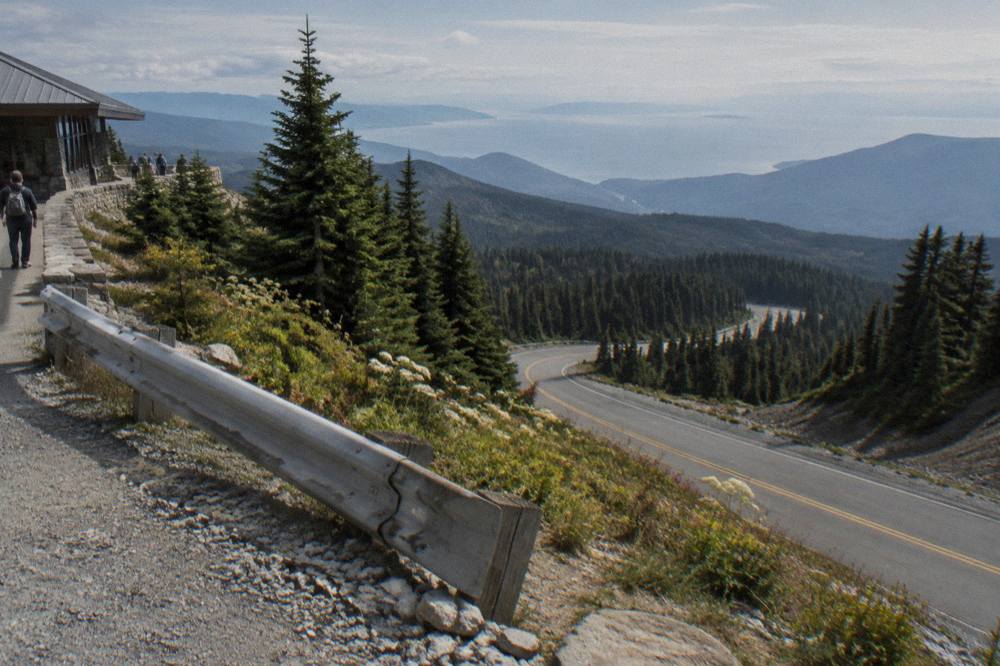
The geography does the heavy lifting. Olympic National Park covers 922,651 acres and the park itself notes it hosts over 3 million visits each year, but almost none of those visitors enter through the middle of the wilderness. They enter through edge towns, and Port Angeles is the one with the deepest road access. Hurricane Ridge Road, the park's most dramatic paved climb, starts practically in town and gains elevation for 17 miles to a visitor center at 5,242 feet. On a clear day the view stretches from the glaciated Olympics across the Strait of Juan de Fuca to Canada.
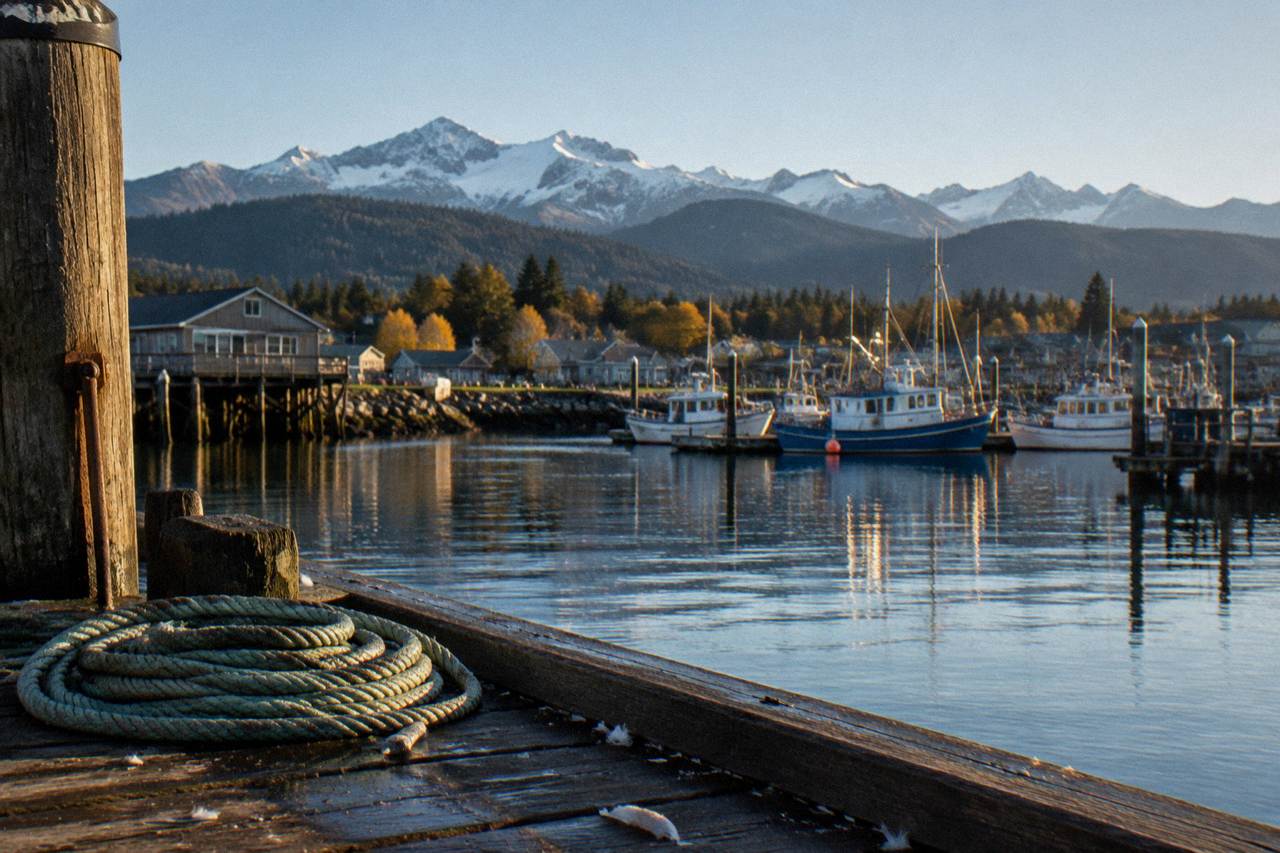
The town's second claim to fame is the water. The Black Ball Coho ferry runs between Port Angeles and Victoria, and the crossing takes about 90 minutes, which makes the town the closest US port to Vancouver Island. Travelers heading between Seattle and Victoria often route through here, and the harbor district, the waterfront trail and the ferry terminal give downtown a working-port character rather than a resort one.
The rain shadow is the quiet third reason. The park publishes precipitation figures of 100 to 170 inches a year on its coast and western valleys, while Port Angeles averages 29.41 inches. That gap shapes everything about how people use the town: it is the place where you do laundry, dry gear and plan the next wet day in the Hoh.
For visitors who would rather not drive the mountain roads at all, the town hosts a set of guided departures, including the Sol Duc, Lake Crescent And Ridge Day Tour, which covers three of the park's signature landscapes in a single 9-hour day from Port Angeles. If a guided day sounds right, these two are the strongest fits for a Port Angeles base:
Both of those tours depart from Port Angeles without hotel pickup, so plan to meet the guide in town. The roster also includes a self-guided audio driving option and a private full-day tour from Port Angeles for travelers who want a vehicle and guide to themselves.
What Is Port Angeles Famous For?
The town is famous for four things in practice: park access (Hurricane Ridge, Lake Crescent and Sol Duc all sit within a short drive), the Coho ferry to Victoria, its unusually dry climate for the peninsula, and its role as the park's administrative center where permits and visitor information are handled. Together these make it the busiest gateway community on the north coast.
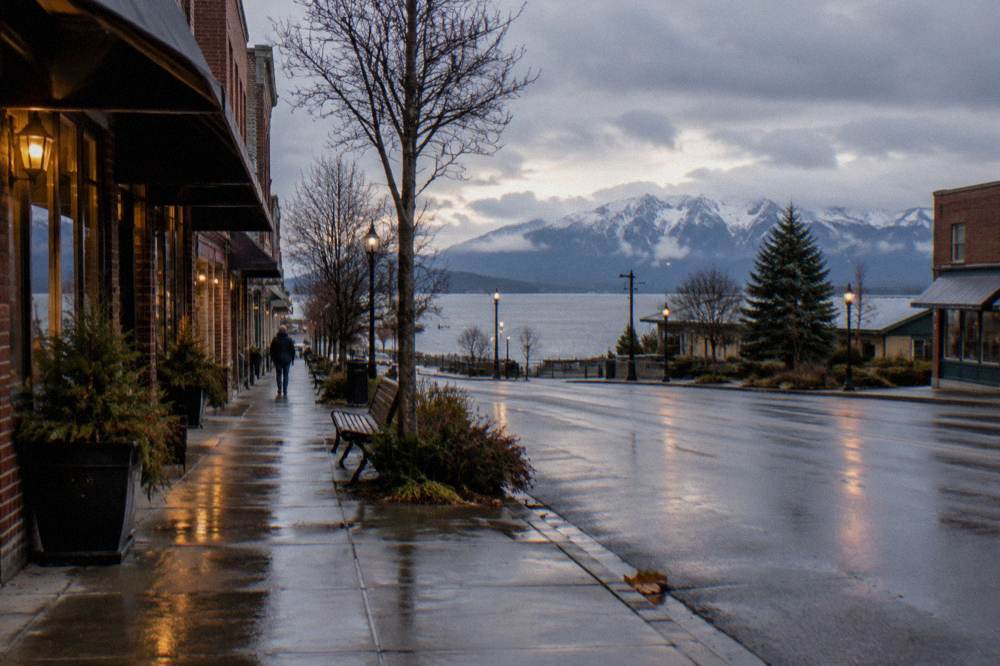
Downtown reflects that role. The harbor anchors one end, the Olympic National Park Visitor Center anchors the other near the headquarters, and the blocks between hold the outfitters, restaurants and lodging that a gateway town runs on. The visitor center is the practical stop for anyone heading into the backcountry: the Wilderness Information Center in Port Angeles issues the wilderness permits that are required year-round for overnight trips, and summer-season permits release on April 15 at 7:00 AM Pacific through Recreation.gov, as the park's wilderness reservations page explains.
A question worth asking early: should you explore the park's ridge and lake country on your own or with a guide? The roads are paved and well signed, but Hurricane Ridge Road in winter runs on a restricted schedule and requires chains, and the ridge to lake to rain forest driving days are long. A guided day collapses the planning into one booking. The Sol Duc, Lake Crescent And Ridge Day Tour is the clearest example: 9 hours, from $195 per person, rated 5.0 across 83 reviews, with guide, van and park entrance fees included; pack your own lunch or buy one at a stop along the way. Ramya_V's review of it captures the appeal: "10/10 experience! I especially loved the views of Hurricane Ridge. Our tour guide, Eric, was so friendly and fun too."
Beyond the park, the town's fame is quieter but real. It is the largest city on the peninsula's north shore, the county seat, and a genuine working port rather than a tourist village. People who come for two nights and stay for two decades are a local cliché, and the retiree question comes up often enough that it gets its own section below.
How Do You Get From Seattle To Port Angeles?
There is no direct road across Puget Sound, so every route from Seattle involves a ferry or a long drive around the sound. The fastest option pairs the Seattle to Bainbridge Island ferry, a crossing of about 35 minutes, with an 82-mile drive to Port Angeles, for a typical total of 2.5 to 3 hours. The Edmonds to Kingston ferry is the alternative.
Washington State Ferries runs both crossings, with no vehicle reservations required, first-come, first-served. The Edmonds to Kingston crossing runs about 30 minutes. An adult walk-on pays $11.35 round trip on either route, and a vehicle under 22 feet with its driver pays $20.25 one way, collected in both directions for vehicles, so check Washington State Ferries for current fares and sailing schedules before you commit to a boat.
The driving-only alternative, looping south through Tacoma and around the sound, adds hours, which is why nearly everyone takes a boat. The other water route is international: the Coho from Victoria docks right in Port Angeles after its roughly 90 minute crossing.
| Route | Crossing time | Typical door-to-door | Notes |
|---|---|---|---|
| Seattle to Bainbridge ferry, then drive | About 35 minutes | 2.5 to 3 hours total | 82-mile drive segment after the boat |
| Edmonds to Kingston ferry, then drive | About 30 minutes | Roughly 3 hours total | Better if you start north of Seattle |
| Drive around the sound via Tacoma | No ferry | Several hours | Rarely the best choice |
| Coho ferry from Victoria | About 90 minutes | Depends on your start | International crossing, passport required |
For travelers without a car, this is also why the Seattle day tours matter. Several roster tours cross on the ferry with guests aboard, including the Small-Group Ferry Day Tour, from $188 per person and rated 4.6 across 943 reviews, which includes the round trip ferry crossing, lunch and the park entrance fee. The listing for that tour notes the ferry is part of the route, so a sailing disruption can change the day, as guest David_E found: "Our tour operator Nik was the best. When the ferry was not operational he drove us to Olympic instead. Also bought us lunch."
Which Guided Tours Depart From Port Angeles?
Five roster tours leave directly from Port Angeles, plus private options, covering Hurricane Ridge, Lake Crescent, Sol Duc and the Hoh. Prices run from $17 per group for a self-guided audio driving tour to $195 per person for full guided days, and the strongest reviewed are the Hoh And Rialto From Port Angeles at 5.0 across 172 reviews and the Sol Duc, Lake Crescent And Ridge Day at 5.0 across 83 reviews.
Meeting a tour in town rather than Seattle changes the arithmetic. A Seattle departure means 10 to 13 hours on the listings because the ferry and the drive consume the morning and evening. A Port Angeles departure puts you inside the park within the first hour, which is why the same landscapes cost less and take less time from here.
| Tour | From price | Duration | Rating and reviews |
|---|---|---|---|
| Sol Duc, Lake Crescent And Ridge Day | $195 per person | 9 hours | 5.0 across 83 reviews |
| Hoh And Rialto From Port Angeles | $195 per person | 9 hours | 5.0 across 172 reviews |
| Lake Crescent Half-Day Tour | $110 per person | 4 hours | 5.0 across 39 reviews |
| Self-Guided Audio Driving Tour | $17 per group | 5 to 6 hours | 4.1 across 41 reviews |
| Private Full-Day Tour And Hike | $973 per group | 8 hours | No reviews yet |
The Hoh And Rialto From Port Angeles pairs the rain forest with the coast in one 9-hour day, from $195 per person, and includes transport in a 12 or 15 passenger van, a guide and the park entrance fee, with lunch and gratuities paid by guests. One caution: the listing names Rialto Beach, and Mora Road to Rialto is closed to traffic during repairs of severe winter flood damage, per the park's alerts. Ruby Beach, Kalaloch and Beach 4 sit on Highway 101 and are the coastal stops to rely on, so confirm the operator's current route on the listing before booking. Patricia_S's review points at what works: "Great day experiencing the beautiful rainforest. The walk was easy and can be experienced by almost anyone. Excellent tour guide shared her vast knowledge of the environment."
Is Hurricane Ridge Easy To Reach From Port Angeles?
Hurricane Ridge is the easiest major park destination from Port Angeles: 17 miles south of town on a paved road, with the visitor center at 5,242 feet. In summer the road is open throughout the season. In winter it runs Friday through Sunday and holiday Mondays only, weather permitting, uphill traffic generally 9 am to 4 pm, and all vehicles must carry tire chains from November 1 through April 1. Once you've come down from the heights, the guide to whale watching seasons and tours in Port Angeles shows you the other big draw of the area, out on the water.
That winter schedule matters more than most first-time visitors expect. The park's own Hurricane Ridge page spells it out, and the road and weather recording at 360-565-3131 carries live status. Vehicles must be below the Heart O' the Hills entrance station by 5 pm on open days, and the road closes on Christmas Day. Obstruction Point Road, the gravel spur beyond the ridge, opens from mid-June through October 15 when snow allows.
The ridge itself is the payoff that makes the town famous among hikers. Trails leave directly from the parking area, and ranger-led snowshoe walks run on winter weekends when conditions permit. The Hurricane Ridge Winter Sports Club operates a small ski area with two rope tows, a Poma lift and a tubing park on weekends and holiday Mondays through March, weather permitting, which is unusual for a national park. Other pages covering the same trip are gathered on Olympic National Park Tours.
Guided options from town cover the ridge as part of bigger days rather than as a standalone, and the Hurricane Ridge and Lake Crescent tours hub collects them. The Sol Duc, Lake Crescent And Ridge Day Tour is the archetype: ridge viewpoints in the morning, falls and lake in the afternoon, all from a downtown meeting point.
What Can You Do Around Lake Crescent And Sol Duc?
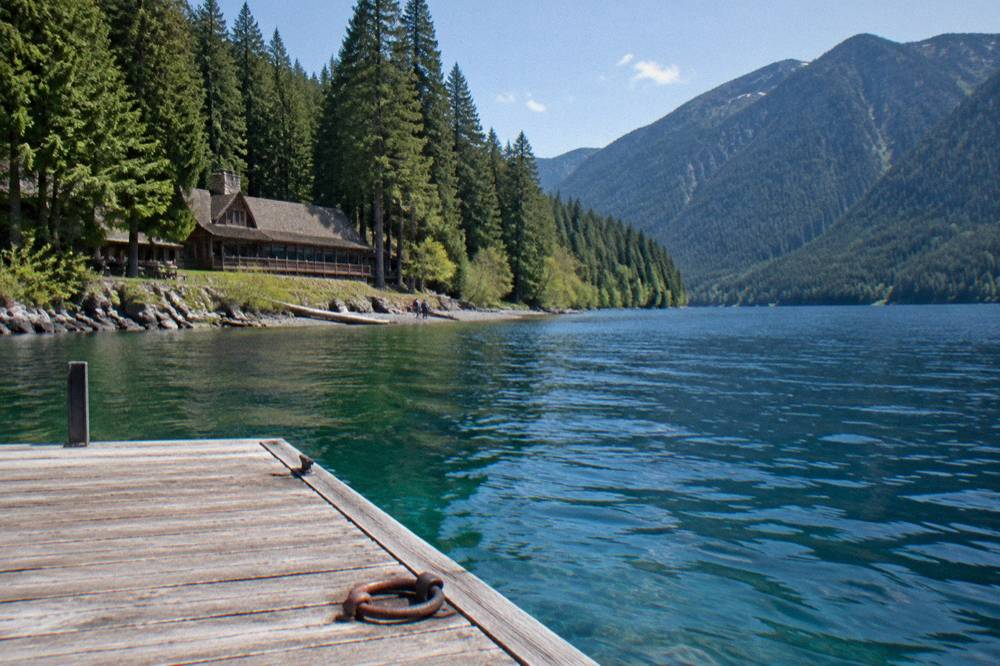
Lake Crescent sits about 18 miles west of Port Angeles, a glacially blue lake ringed by mountains, and the Sol Duc Valley is about 40 minutes west of town via a 14-mile paved road. Highlights include Marymere Falls, the Sol Duc Falls overlook walk of about a mile from the parking lot, lodge and boat rentals at the lake, and the hot springs resort, generally open late March through the last weekend in October.
Both destinations are close enough that a Port Angeles base makes them half-day or full-day trips rather than expeditions. At the lake, rowboats are for rent at Lake Crescent Lodge, the lodge and Log Cabin Resort generally run late spring to early fall, and the Spruce Railroad Trail traces the north shore. The water stays cold year-round, and the park advises life jackets and awareness of afternoon winds for anyone paddling.
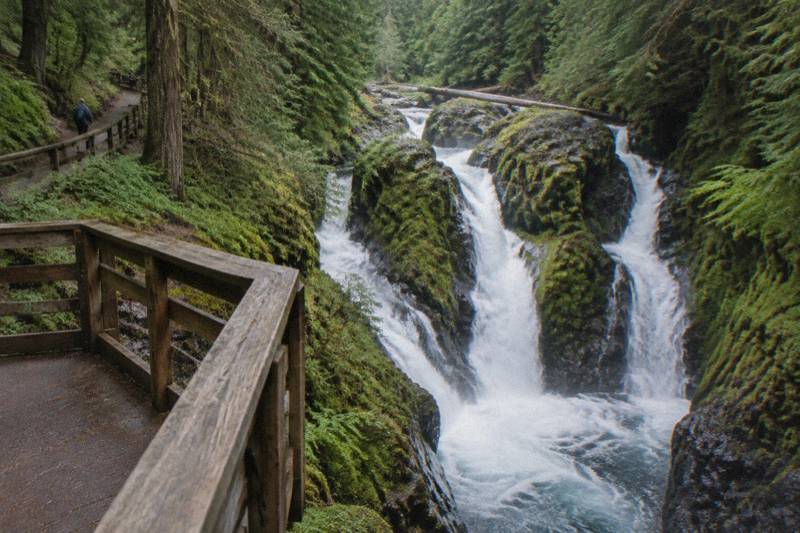
The Sol Duc side holds one of the park's most reliable short walks. The falls overlook is about a mile from the parking lot, and the Salmon Cascades overlook about 5 miles down Sol Duc Road is a popular stop in late October and early November for leaping coho. The Sol Duc, Lake Crescent And Ridge Day Tour stitches the falls and the lake together with a Hurricane Ridge stop in one 9-hour day from Port Angeles, from $195 per person, rated 5.0 across 83 reviews, park entry included, pack or buy lunch.
If a full day sounds like too much, the Lake Crescent Half-Day Tour covers the lake in 4 hours from Port Angeles, from $110 per person with transport included. Linda_B's review of it is direct: "An awesome day and experience I'll never forget. A must do activity! Tour guide was awesome and very interesting and knowledgeable!" The full versus half day choice usually comes down to whether you want the ridge too, since the half-day skips the mountains entirely.
For a deeper look at the paddling side, the Lake Crescent kayak and rental guide covers what operates on the water and what a rental day looks like.
Is Port Angeles A Good Place To Retire?
Many people think so, and the climate is the main reason. The town averages 29.41 inches of rain a year against 101.32 inches in Forks, sits in the mountains' rain shadow, and stays mild, with July and August highs around 71 to 72 degrees and only about 2 inches of rain in each of those months. December and January bring roughly 10 inches each, which is wet by most standards but dry for the peninsula.
The town's retirement reputation rests on that weather plus its compact scale: a walkable downtown, a working waterfront, hospital services and the ferry to Victoria for a change of scene. The same geography that makes it a good visitor base, close to the ridge and the strait, makes it a livable small city. Anecdotally, guides and park staff are full of stories of visitors who came for a week and never left, though that is a pattern, not a statistic.
The honest counterpoints are the ones any peninsula resident would name. Winters are gray even when they are not especially wet, the town quiets down outside the June through September high season, and the nearest big-city amenities are a ferry and a drive away. Snow reaches the high country as early as late September, and the ridge road's winter schedule limits quick mountain access to weekends.
| Place | Average annual precipitation | What it means for visitors |
|---|---|---|
| Port Angeles | 29.41 inches | The dry base, rain shadow climate |
| Forks | 101.32 inches | Deep in the wet zone, closest to the Hoh and coast |
| Park coast and western valleys | 100 to 170 inches | The rain forest proper, bring rain gear |
| Hurricane Ridge | 30 to 35 feet of snow a year | High country, winter access restricted |
For trip planning rather than moving, the takeaway is that Port Angeles is the driest sleep on the peninsula. Book lodging there, do laundry there, and expect to get wet only when you drive west.
Where Should You Stay: Port Angeles Or Forks?
Stay in Port Angeles for first visits, ridge access and the driest weather, or in Forks if the Hoh Rain Forest and the wild coast are your whole trip. Port Angeles is 17 miles from Hurricane Ridge and about 18 miles from Lake Crescent, while Forks sits under an hour from the Hoh and closest to the Highway 101 beaches, so the right base depends on which side of the park you are actually visiting.
The drive between them runs through the heart of the northern park. One practical note for anyone routing toward the Hoh: Highway 101 is closed at the Hoh River Bridge overnight, 7 p.m. to 5:30 a.m. each night from October 13 to 19, with no detour across the river, and alternate routes around the east side add at least four hours. The Hoh Rain Forest stays reachable from Forks, and the park's closure page for the bridge carries the schedule. Check the listing and the park's conditions page before booking any coastal or rain forest day from either town.
The deeper comparison, including lodging patterns and seasonal trade-offs, lives in the Port Angeles versus Forks stay decision guide. The short version: split stays are common, a night or two on each side, because no single base covers the whole park comfortably.
Is One Day From Port Angeles Enough For Olympic National Park?
One day from Port Angeles is enough for Hurricane Ridge, Lake Crescent and Sol Duc, and a good guided tour will cover all three in about 9 hours. It is not enough for the Hoh Rain Forest and the coast on the same day unless you skip the ridge entirely, since the Hoh is about a two-hour drive from Port Angeles and the coastal stops sit beyond it.
The listings make the trade-off concrete. The Sol Duc, Lake Crescent And Ridge Day Tour spends 9 hours on ridge, falls and lake. The Hoh And Rialto From Port Angeles spends its 9 hours entirely on rain forest and coast. Doing both landscapes properly is a two-day proposition, which is exactly what the Olympic National Park itinerary guide lays out, and what the town's fame ultimately rests on: it is the base that makes either day, or both, straightforward.
For travelers who want the ridge and the rain forest in one booking, the Olympic National Park Seattle day tours include longer options, such as the Rainforest And Beach Highlights tour, from $285 per person and rated 4.8 across 134 reviews, which trades the ridge for the wet west side. Daisy_C's review sums up that style of day: "Great trip and our tour guide Johnny was excellent. He bought us to several rainforests and beaches."
If Port Angeles is your base and you have two days, the strongest pairing is the ridge-and-lake day followed by the rain forest day. If you have one, pick the landscape that matches the weather forecast, since the ridge in cloud is a different experience from the ridge in sun.
Common Questions About Port Angeles
Why Is Port Angeles Famous?
Port Angeles is famous as the main gateway to Olympic National Park, with park headquarters in town, Hurricane Ridge 17 miles south, Lake Crescent about 18 miles west and the Sol Duc Valley about 40 minutes away. It is also the US port for the Coho ferry to Victoria, a crossing of about 90 minutes, and it is unusually dry for the peninsula at 29.41 inches of rain a year.
What Is Port Angeles Famous For?
It is famous for park access, the Coho ferry to Victoria, its rain shadow climate and its role as the park's administrative center, where the Wilderness Information Center issues the year-round backcountry permits. Downtown sits between a working harbor and the main visitor center.
Is Port Angeles A Good Place To Retire?
Many residents think so. The town averages 29.41 inches of rain a year against 101.32 inches in Forks, July and August highs run around 71 to 72 degrees with about 2 inches of rain per month, and the scale is compact and walkable. Winters are gray and the town quiets outside the June through September season.
How Long Does It Take To Get From Seattle To Port Angeles?
Typically 2.5 to 3 hours using the Seattle to Bainbridge ferry, a crossing of about 35 minutes, followed by an 82-mile drive. The Edmonds to Kingston ferry, about 30 minutes on the water, is the alternative from north of Seattle.
Can You Visit Hurricane Ridge From Port Angeles In Winter?
Yes, on a limited schedule. Hurricane Ridge Road opens Friday through Sunday and holiday Mondays in winter, weather permitting, generally 9 am to 4 pm for uphill traffic, and all vehicles must carry tire chains from November 1 through April 1. Check the road and weather recording at 360-565-3131 before driving.
Which Tours Leave Directly From Port Angeles?
Roster departures include the Sol Duc, Lake Crescent And Ridge Day (9 hours, from $195 per person, 5.0 across 83 reviews), the Hoh And Rialto From Port Angeles (9 hours, from $195 per person, 5.0 across 172 reviews), the Lake Crescent Half-Day Tour (4 hours, from $110 per person), a self-guided audio driving tour (from $17 per group) and a private full-day tour (from $973 per group).