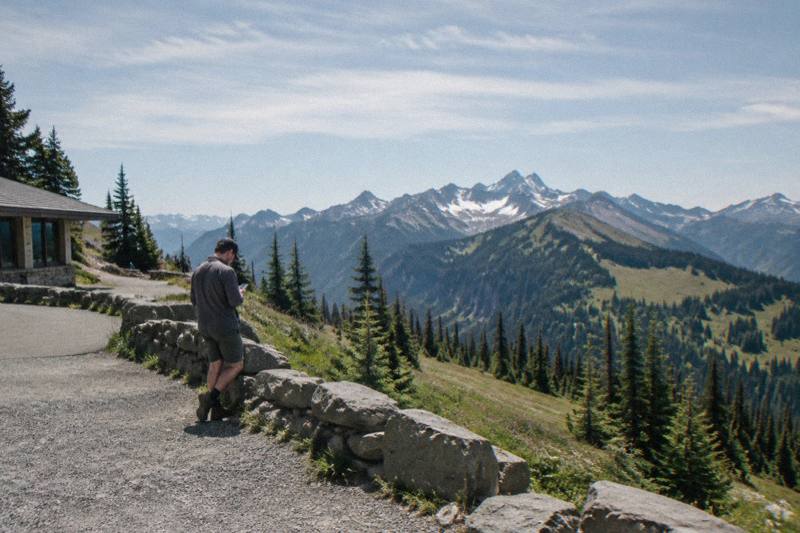
Free Things To Do In Olympic National Park And Port Angeles On A Budget
Olympic National Park is not a free attraction, and any page that opens by claiming otherwise is selling something. Entry runs $30 per private vehicle or $15 per person on foot, and after that fee the park opens up a long list of things that cost nothing extra. Here is where the free money actually goes.
Short answer
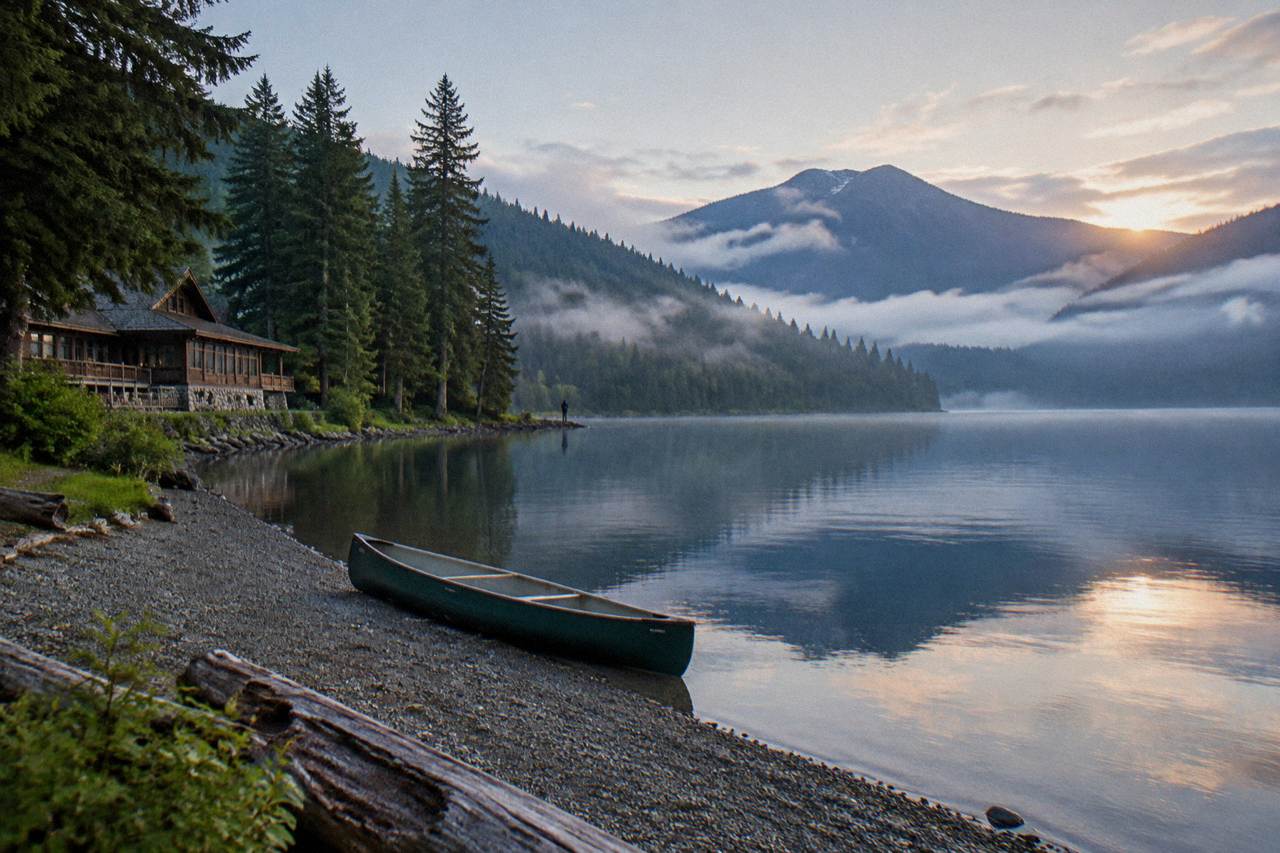
Entry to Olympic National Park costs $30 per private vehicle or $15 per person on foot, valid for 7 consecutive days. Once inside, trails, beaches, overlooks and ranger programs are free. The park also publishes eight fee-free days in 2026, and children 15 and under enter free on foot. Several scenic stops near Port Angeles cost nothing at all.
Olympic National Park covers 922,651 acres of glacier-capped mountains, temperate rainforest and wild Pacific coast, and the honest answer to "what is free here" starts with a number most budget guides bury: entry costs $30 per private vehicle, valid for seven consecutive days, or $15 per person arriving on foot or by bicycle, with children 15 and under admitted free. That fee covers a lot. Once through an entrance station or onto a trailhead inside park boundaries, the hiking, the beaches, the waterfalls and the ranger programs cost nothing more, and the park's own fee schedule, published at nps.gov/olym, spells out every option, including eight fee-free days in 2026 when the entrance charge is waived entirely.
This guide walks the budget question honestly: what the fee buys, when it disappears, what stays free once you are inside, and where the handful of cheap paid add-ons, like a $17 per group audio driving tour, actually earn their price compared with a purely free day. The comparison page on Olympic National Park tours versus driving yourself covers the wider decision; this one stays on the money.
Is Anything In Olympic National Park Actually Free?
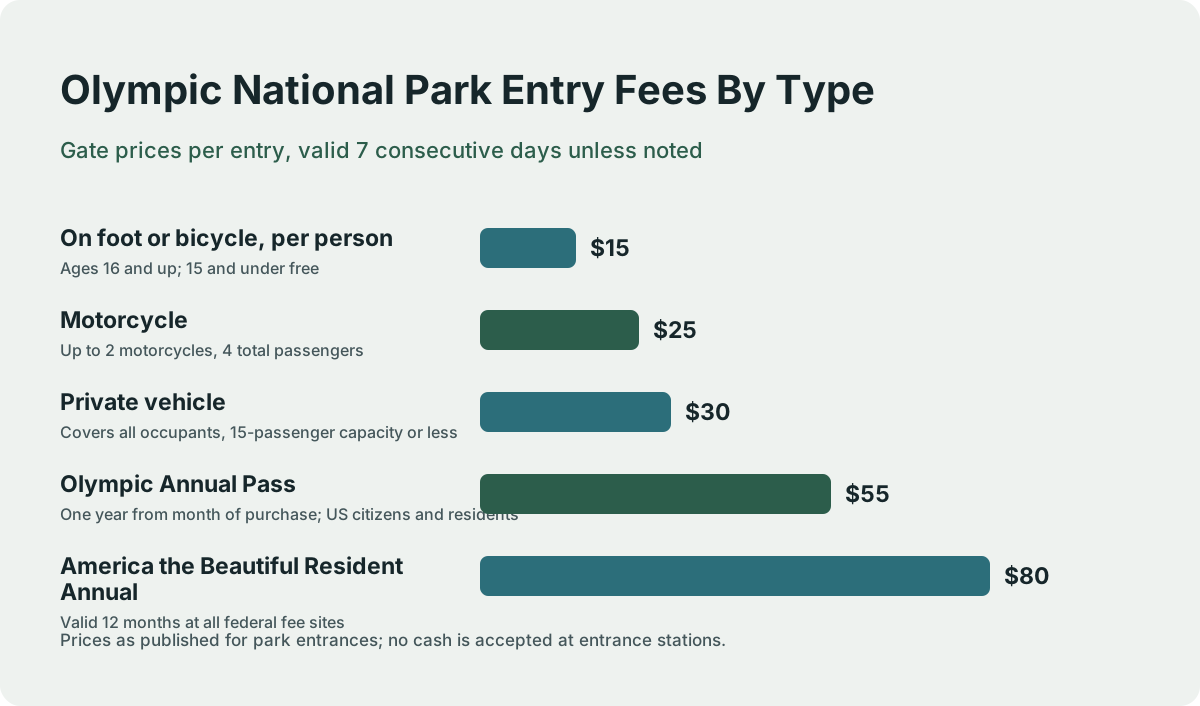
No, the park itself is not free to enter, and that fact should come first in any honest budget plan. A private vehicle pays $30, valid for 7 consecutive days and covering all occupants. A visitor arriving on foot or by bicycle pays $15 per person, with ages 15 and under free. The park accepts no cash at entrances, so prepay through Recreation.gov or carry a card.
That single fee is the gate. Everything the park is famous for, the Hoh Rain Forest trails, Hurricane Ridge, the beaches at Kalaloch and Ruby Beach, sits behind it. There is no per-trail charge, no parking meter at trailheads inside the park, and no separate ticket for Marymere Falls or the Sol Duc Falls overlook. One payment, seven days.
Two details stretch the value further. The Olympic Annual Pass costs $55 and is valid for one year from the month of purchase, so a second trip in the same year makes it the cheaper route. And an annual pass covers everyone in the vehicle, not just the buyer, the same way the $30 entry does.
| Entry type | Price | Validity | Notes |
|---|---|---|---|
| Private vehicle | $30 | 7 consecutive days | Covers all occupants, 15-passenger capacity or less |
| Motorcycle | $25 | 7 consecutive days | Up to 2 motorcycles, 4 total passengers |
| On foot or bicycle | $15 per person | 7 consecutive days | Ages 16 and up; 15 and under free |
| Olympic Annual Pass | $55 | One year from month of purchase | US citizens and residents |
| America the Beautiful Resident Annual | $80 | 12 months | Valid at all federal fee sites |
The fee schedule is published by the park at the official fees page, and it is the only source worth trusting on this, since third-party pages routinely quote stale numbers. For a deeper look at every pass option, including the Senior and Military passes, the companion guide to Olympic National Park entrance fees and passes breaks them down one by one.
Which Days In 2026 Are Free At Olympic National Park?
The park publishes eight fee-free days in 2026: February 16, May 25, June 14, July 3 to 5, August 25, September 17, October 27 and November 11. On those days the entrance fee is waived for US citizens and residents. Other fees, including campground and wilderness permit charges, still apply, and the waiver does not include timed entry or reservation fees anywhere in the park.
The list rewards planners who can travel on a weekday shoulder date. September 17 lands after the summer crowds thin but while Hurricane Ridge Road is still open daily and the Hoh Rain Forest visitor center is on its daily schedule. October 27 sits inside the fall color window on the coast. The July dates are the opposite trade: free entry, but the busiest week of the park's year, when the Hoh parking lots can reach capacity by mid-morning and traffic is metered at the entrance station.
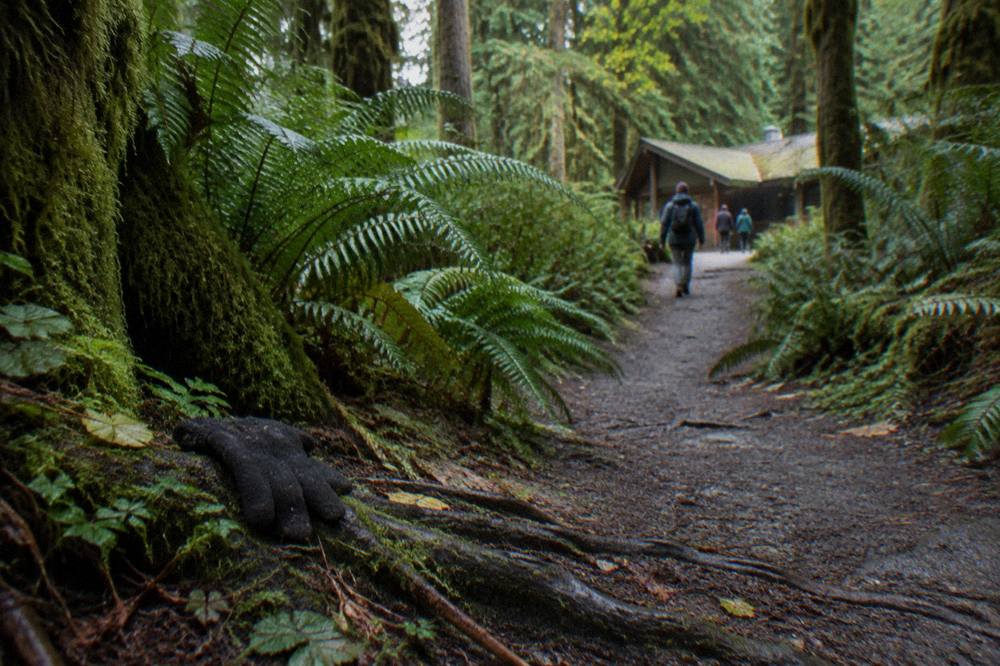
A fee-free day does not make the park cheap for everyone. A family driving in on July 4 saves $30, but campground fees of $15 to $24 a night still apply, and the wilderness permit system, $8 per person per night plus a $6 reservation fee, is untouched. The waiver is an entrance-fee waiver, nothing more.
| 2026 fee-free date | Occasion | Best free-day use |
|---|---|---|
| February 16 | Presidents Day | Lowland forest walks; Hurricane Ridge on winter weekend schedule |
| May 25 | Memorial Day | Sol Duc Falls and Lake Crescent before summer rates |
| June 14 | Flag Day | Hurricane Ridge wildflowers beginning |
| July 3 to 5 | Independence Day weekend | Biggest crowds; arrive very early |
| August 25 | NPS 110th birthday | High country in peak season |
| September 17 | Constitution Day | Shoulder-season coast and ridge |
| October 27 | Theodore Roosevelt's birthday | Fall color, salmon at Sol Duc |
| November 11 | Veterans Day | Storm watching and Roosevelt elk |
One planning note worth stating plainly: the free days remove the gate fee but not the logistics burden. For travelers who want the free day without the driving fatigue, the Small-Group Ferry Day Tour from Seattle, from $188 per person, includes the park entrance fee, lunch and the roundtrip ferry crossing in its price, and the fee-free saving shows up as no separate gate charge on a paid day either way. Readers comparing the full cost ladder can read how much an Olympic National Park tour costs for the itemized math.
For a strictly free day, the fee-free calendar is the single biggest lever in the budget, and it costs nothing but flexibility. Pick one date outside July and the same $30 stays in your pocket while the trails stay quieter than they will be all summer.
What Can You Do For Free Once Inside The Park?
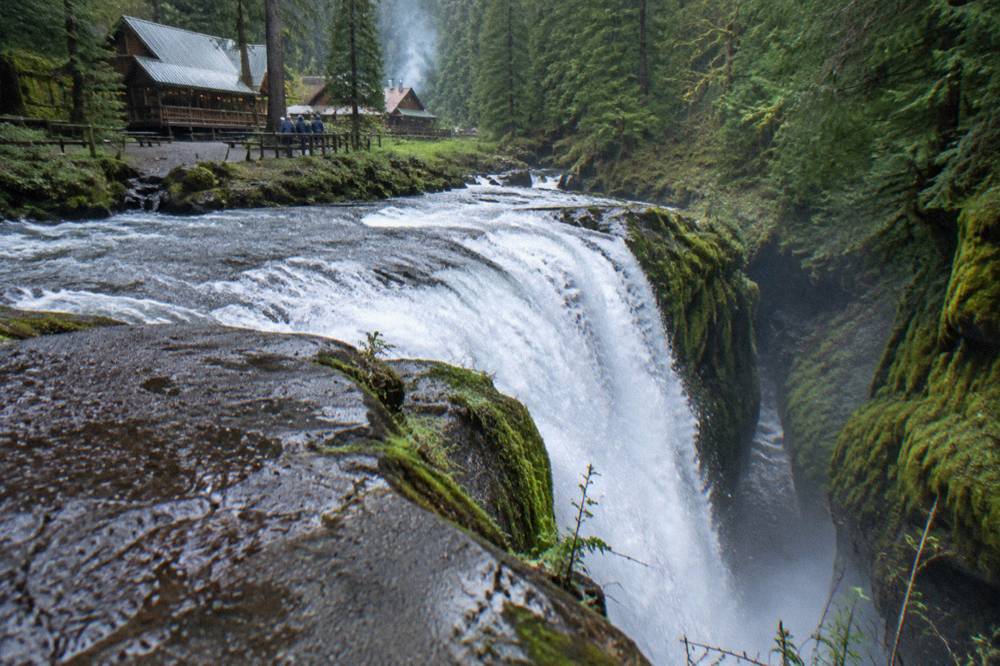
Once the entrance fee is paid, essentially everything inside is free: the Hall of Mosses Trail in the Hoh, the Marymere Falls walk at Lake Crescent, the Sol Duc Falls overlook, the Spruce Railroad Trail, Ruby Beach, Kalaloch, Beach 4 and the Salmon Cascades viewpoint. There are no secondary tickets, no trail fees and no parking charges at any of them.
The list is long enough to fill a week. In the Hoh Rain Forest, the Hall of Mosses Trail runs 0.8 miles and the Spruce Nature Trail 1.2 miles, both short loop walks under a canopy that receives an average of 140 inches of rain a year. At Lake Crescent, the Marymere Falls trail climbs gently from the Storm King Ranger Station area through old forest to a waterfall, and the Spruce Railroad Trail traces the lake's north shore as a paved path with tunnels, open to hikers and bikers all year. The Sol Duc Falls overlook walk from the parking lot is about a mile round trip, and it costs exactly nothing beyond the gate.
The coast is the same story. Ruby Beach and Kalaloch sit directly off Highway 101 on the southwest side, with free parking and free access to miles of sand, sea stacks and tide pools. Beach 4 is one of the park's most popular tidepool spots, best at tides lower than one foot. Mora Road to Rialto Beach is closed to all traffic at the campground during flood-damage repairs, per the park's alerts, so Ruby Beach, Kalaloch and Beach 4 are the reliable coastal stops, and any traveler holding a listing that names Rialto should confirm the operator's current route on that listing before booking.
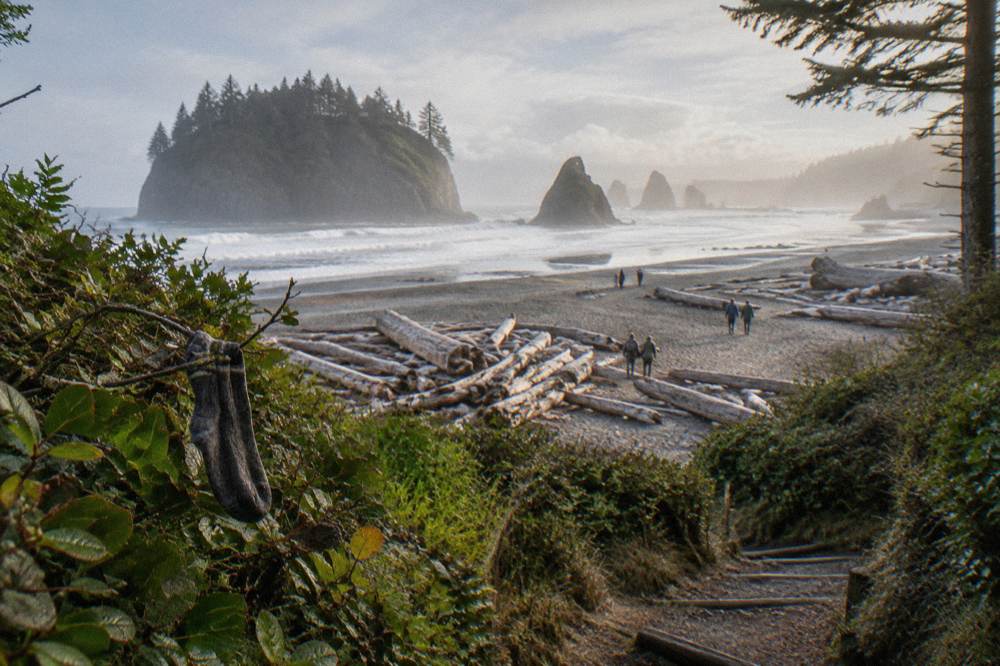
The Salmon Cascades overlook, about five miles down Sol Duc Road, is the park's quietest free show: in late October and early November, coho salmon leap up the falls, and the pullout costs nothing but the drive. The park's Lake Crescent page, published by the National Park Service, covers the trailheads and seasonal notes for that area.
| Free activity | Area | Effort | Season notes |
|---|---|---|---|
| Hall of Mosses Trail, 0.8 miles | Hoh Rain Forest | Easy loop | Visitor center closed January to early March |
| Spruce Nature Trail, 1.2 miles | Hoh Rain Forest | Easy loop | Same as above |
| Marymere Falls walk | Lake Crescent | Moderate, forested | Trailhead at Storm King Ranger Station area |
| Spruce Railroad Trail | Lake Crescent north shore | Easy, paved, tunnels | Open year-round |
| Sol Duc Falls overlook, about 1 mile round trip | Sol Duc Valley | Easy | Resort area generally open late March through late October |
| Salmon Cascades overlook | Sol Duc Road | Viewpoint pullout | Best late October to early November |
| Ruby Beach and Kalaloch | Southwest coast | Easy beach walk | Check tides; watch for sneaker waves |
| Beach 4 tide pools | Kalaloch | Easy, rocky | Best at tides lower than 1 foot |
Two limits apply. First, "free inside" assumes the gate is already paid; there is no way to reach the Hoh trails or Marymere Falls without passing an entrance point. Second, some sites sit on roads with seasonal schedules: Obstruction Point Road above Hurricane Ridge runs roughly mid-June through October 15, weather and snow permitting, and Hurricane Ridge Road in winter is scheduled open only Friday through Sunday plus holiday Mondays. The park's recorded road and weather line, 360-565-3131, carries live status, and the park hours page lists the seasonal pattern for facilities.
For travelers who want a guide's knowledge layered onto the free sights without paying for a full day, the Lake Crescent Half-Day Tour, from $110 per person and four hours from Port Angeles, covers one compact corner of the same landscape with a commercially authorized guide, and pairs naturally with a free morning elsewhere. The half-day format is the closest thing the roster has to a budget guided option.
The honest budget read: a paid half-day is not "better" than a free trail day, it is a different product. The free list above fills a full day easily; the guided half-day trades money for interpretation and someone else handling the logistics.
What Free Things Can You Do Outside The Park Entrances?
Several of the peninsula's best free stops sit outside the fee gates entirely: the Port Angeles waterfront, the Olympic Discovery Trail, the drive along Highway 101 around Lake Crescent's shore, and the towns of Sequim and Forks. None require an entrance pass, none charge parking, and several make a sensible free base for a day that mixes paid park time with free time.
The Olympic Discovery Trail is the standout. The paved path threads across the northern peninsula, and the Spruce Railroad Trail segment along Lake Crescent's north shore, described above from the inside-the-park side, connects into it, so cyclists and walkers can string together miles of free, car-free path. In Port Angeles itself, the waterfront and the city pier cost nothing and sit minutes from the park's main visitor center. If the free waterfront stroll leaves you curious about the town itself, why Port Angeles is famous as the gateway to Olympic National Park covers the Coho ferry to Victoria and the tours that depart from here.
Forks, on the west side, works as a free stopover town for anyone heading to the Hoh or the coast, and the drive between Port Angeles and Forks on Highway 101 passes Lake Crescent's shoreline, one of the most photographed free stretches of road in the state. None of this requires a pass because none of it is inside a fee area, though the lake's shores themselves are park land once you step off the highway at a trailhead, and the Marymere Falls trailhead is behind the gate.
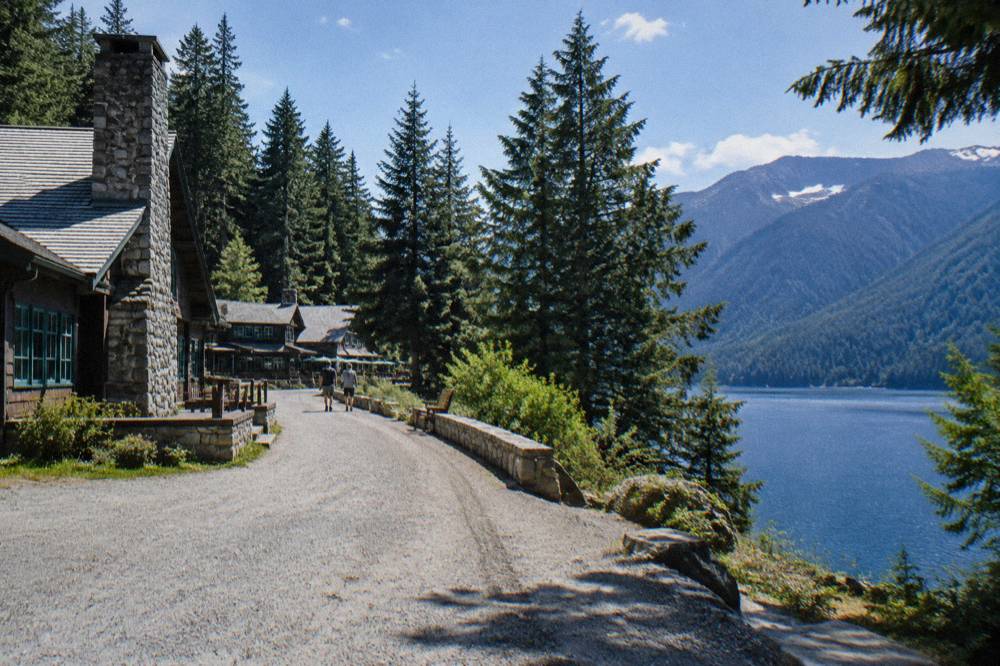
The distinction matters for budget sequencing. A traveler with one vehicle entry, $30 for seven days, can spend the mornings inside the park on the free trails and the afternoons outside it on free road pullouts and town walks, stretching a single fee across a whole week. That is the cheapest realistic way to see the peninsula: pay once, then mix.
For structure on the driving days, Olympic National Park Tours exists for exactly this decision, and the cheapest structured option on the roster is the Self-Guided Audio Driving Tour, from $17 per group, where one purchase covers the whole car. You bring your own vehicle and phone, the app guides the route with GPS-triggered audio, and it works offline. Check availability
The audio tour is not a guide and does not include park entry, which is worth stating plainly on a budget page. It is a $17 layer of narration and routing over a trip you are already taking, and for a family of four in one car it costs less per person than a coffee.
Are Ranger Programs In Olympic National Park Free?
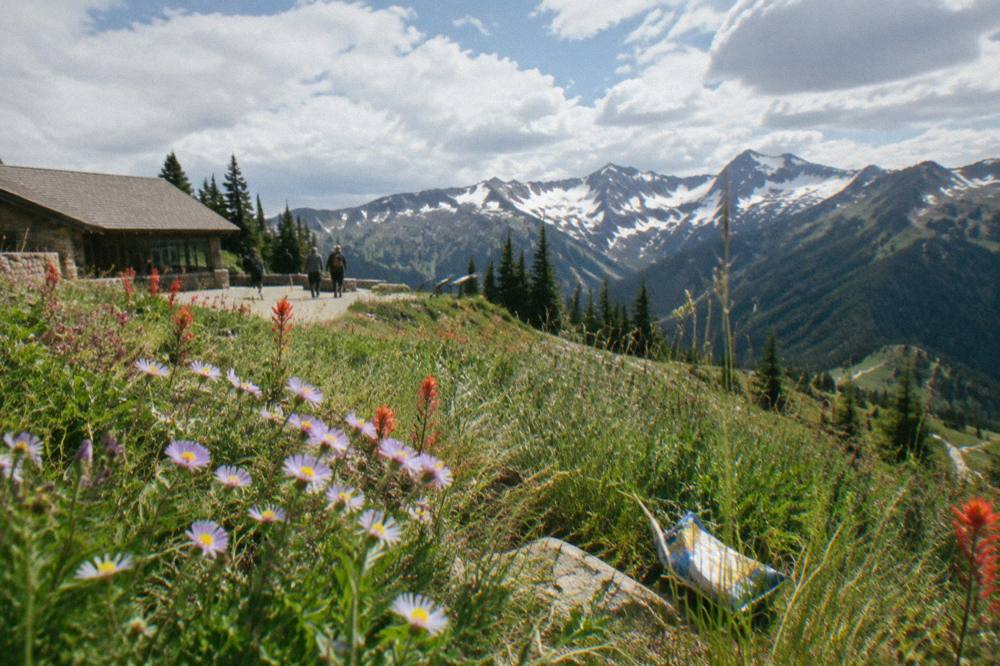
Yes, ranger programs are free once you are inside the park, and in many cases they are free outright. Evening programs at campgrounds, guided walks in the Hoh Rain Forest and the Hurricane Ridge area, and summer astronomy sessions are offered at no charge beyond the entrance fee. Winter ranger-led snowshoe walks at Hurricane Ridge are the standout: about 1.5 hours, under a mile, with a small equipment fee only if you need to borrow snowshoes.
The program calendar shifts with the seasons and lives on the park's calendar page, which is the place to check before counting on any specific walk. In summer, the Hoh and Hurricane Ridge areas run interpretive programs most days; in winter, the snowshoe walks from the Hurricane Ridge area run on scheduled weekend afternoons, weather permitting, and Hurricane Ridge Road itself is open only Friday through Sunday and holiday Mondays in winter, with all vehicles required to carry tire chains above the Heart O' the Hills entrance station from November 1 through April 1.
The free-program budget play is simple: build a day around one ranger walk and fill the rest with the free trails in the same area. A morning Hall of Mosses loop, an afternoon ranger talk, and an evening on a coastal beach is a full, memorable day whose only cost was the gate fee you already paid.
What Does A Cheap Day In Olympic National Park Look Like?
A realistic all-in budget day for two people in one car runs roughly $30 for entry, $15 to $24 for a campsite if staying overnight, and nothing beyond food for the activities themselves: a morning waterfall walk, an afternoon beach, and a ranger program. Using a 2026 fee-free day removes the $30, and skipping the campsite by day-tripping from Port Angeles removes the nightly fee too.
The math is worth laying out in a table, because most "Olympic on a budget" pages skip it. The numbers below assume two adults sharing one vehicle, with prices from the park's fee schedule and the tour roster, and food is deliberately excluded since everyone eats at home anyway.
| Day plan | Entry | Activities | Overnight |
|---|---|---|---|
| Fee-free day, day trip | $0 | Free trails, beach, ranger program | None |
| Standard day trip | $30 per vehicle | Free trails and beach | None |
| Camp overnight | $30 per vehicle | Free trails and beach | $15 to $24 campground |
| Add audio driving tour | $30 per vehicle | Audio tour from $17 per group | None |
| Guided half-day instead | $30 per vehicle | Lake Crescent Half-Day from $110 per person | None |
Two patterns jump out. First, the single biggest lever is the fee-free calendar, worth $30 a visit with no effort. Second, the jump from a free day to a guided day is not incremental, it is a category change, and the audio tour at $17 per group is the only product on the roster that prices like an add-on rather than an alternative.
The trade-off is interpretation. A free day with the park's own trail signs and a $17 audio narration is information-light compared with a naturalist guide. The All-Inclusive Naturalist Day Tour, from $368 per person for 12 hours from Seattle and rated 4.9 across 1,067 reviews, sits at the far end of that spectrum: full-day, all-inclusive, with a professional naturalist. One guest review from Ruth_M describes a guide who "has been a local all his life" and "was a wealth of information about the forest, especially the mushrooms." That is what the extra money buys, and a budget page should say so rather than pretend the free day matches it.
The free day is not a lesser version of the guided day. It is a different product for a different traveler, and the honest framing is capacity: the free day asks you to drive, plan and interpret for yourself, and the guided day does not.
When Is The Cheapest Season To Visit?
The cheapest times are the shoulder months of late September through October and April through May, when campsites sit empty, the coastal weather is dramatic rather than dangerous, and several 2026 fee-free days fall outside peak season. Winter is cheapest of all for lodging, but Hurricane Ridge Road runs only Friday through Sunday and holiday Mondays then, and the Hoh visitor center closes January through early March.
July and August are the most popular months, and the budget penalty is not the entry fee, which never changes, but the scarcity around it. Hoh Rain Forest parking can fill by mid-morning in summer, entrance-station waits run long during metering hours, and campsites at Hoh and Kalaloch, reservable up to six months ahead, go quickly. The park reports over 3 million visits a year, and a large share lands in those eight weeks.
Fall flips the equation. Salmon leap at Sol Duc Cascades in late October and early November, Roosevelt elk, the largest fully wild herd in the Pacific Northwest, move through the Hoh and coastal valleys, and the November 11 fee-free day lands in the middle of it. The trade is rain: Forks averages about 101 inches of precipitation a year against Port Angeles's roughly 29, and the coast and western valleys see 100 to 170 inches annually, so a cheap fall trip is a wet one. Pack for it and the savings are real.
| Season | Entry cost | Crowds | Budget notes |
|---|---|---|---|
| July to August | $30 per vehicle | Peak | Campsites book months ahead; lots fill early |
| September | $30 per vehicle | Moderate | Fee-free day September 17; good weather window |
| October to November | $30 per vehicle | Low | Fee-free days October 27 and November 11; wet, dramatic coast |
| December to March | $30 per vehicle | Lowest | Ridge road weekends only; Hoh visitor center closed January to early March; fee-free February 16 |
| April to June | $30 per vehicle | Moderate | Fee-free May 25; lodge season resumes |
The detailed month-by-month breakdown lives in the companion guide on the best time to visit Olympic National Park, and the seasonal pattern for roads and facilities is on the park's own hours and seasons page. The short budget version: pick a fee-free shoulder date, camp or day-trip, and let the rain be part of the story.
Is A $17 Audio Tour Better Than A Free Day?
No, and it is not meant to be. A free day and the $17 per group audio driving tour solve different problems: the free day costs nothing but asks you to plan, drive and interpret alone, while the audio tour adds GPS-guided narration and routing to a trip you are already driving. The audio tour does not include park entry, does not include a guide, and covers the driving route rather than the walking trails.
Where it earns its price is the driver's seat. Olympic National Park's roads are long, the signage is thin on history and ecology, and a passenger who follows along with an app that works offline and starts and stops on demand removes the guidebook problem for less than the cost of one dinner. For a family of four in one car, the per-person cost is a few dollars.
The honest comparison runs one more level. A traveler who wants a human guide on a small budget has one real option: the Lake Crescent Half-Day Tour at from $110 per person, four hours, no pickup, meeting in Port Angeles. Below that, the roster is either the audio tour or the free day. Above it, the Seattle-departure day tours, like the Small-Group Ferry Day Tour from $188 per person for 11 hours, rated 4.6 across 943 reviews, bundle the ferry, the entrance fee and lunch, which is why their sticker prices look nothing like a free day. One guest review from David_E on that tour notes the operator adapted when the ferry was not running and "drove us to Olympic instead," the kind of flexibility a self-guided plan cannot buy.
For the strict budget reader the decision tree is short. Free day if the plan is simple and the driver is confident. Audio tour if the route is ambitious and $17 per group is acceptable. Half-day guide if one deep dive into a single area is worth $110 per person. Full-day tour from Seattle if there is no car at all, which is a different constraint entirely and one the Olympic National Park Seattle day tours hub covers in depth.
Can You Do Olympic National Park Entirely Without Paying For A Tour?
Yes, completely. Every landscape the paid tours visit, Hurricane Ridge, the Hoh Rain Forest, Lake Crescent, Ruby Beach and Kalaloch, is reachable in your own car after the $30 vehicle entry, and the trails are free. A tour buys a guide's knowledge, someone else's driving and bundled logistics like ferry tickets and lunch, none of which are required to see the park.
The evidence is the roster itself. The tours on this site sell interpretation and logistics, not access; there is no gate a tour passes that a private car cannot. The Hurricane Ridge and Lake Crescent tours hub, for instance, packages a ridge-and-lake day that a confident driver can replicate with a $30 entry and a maps app, though not with the same depth of commentary.
Where tours genuinely matter is the car-free traveler, the time-poor traveler and the winter traveler. Seattle departures solve the first, 10 to 13 hours of driving in someone else's hands. Guided hikes solve the second, no route research needed. Winter snowshoe programs solve the third, since Hurricane Ridge in winter requires chains, weekend-only road access and avalanche awareness, all of which a guided snowshoe day absorbs. The wider menu of options, from half-days to multi-day treks, is laid out in the guide to Olympic National Park guided tours.
For everyone else, the free-plus-audio formula is legitimate and the park's own materials, trail signs, visitor centers and ranger programs, do real interpretive work at no cost. The budget page's honest conclusion is not "skip the tours," it is "know which problem you are paying to solve," and if the answer is none of the three above, the free day wins on price every time.
Common Questions About Free Things To Do In Olympic National Park
Is Olympic National Park free to enter?
No. Entry costs $30 per private vehicle, valid for 7 consecutive days and covering all occupants, or $15 per person on foot or by bicycle, with ages 15 and under free. The park publishes eight fee-free days in 2026 when the entrance fee is waived.
What can you do inside Olympic National Park for free?
Once inside, everything is free: the Hall of Mosses and Spruce Nature Trails in the Hoh, the Marymere Falls walk and Spruce Railroad Trail at Lake Crescent, the Sol Duc Falls overlook, Ruby Beach, Kalaloch, Beach 4 tide pools and the Salmon Cascades viewpoint, plus ranger programs at no charge.
When are the 2026 fee-free days at Olympic National Park?
February 16, May 25, June 14, July 3 to 5, August 25, September 17, October 27 and November 11. The waiver covers the entrance fee for US citizens and residents; campground, permit and reservation fees still apply.
Can you visit Olympic National Park without a tour?
Yes. Every area the tours visit is reachable by private car after the vehicle entry fee, and trails, beaches and overlooks carry no additional charge. Tours sell guiding, driving and bundled logistics, not access.
What is the cheapest way to see Olympic National Park?
Enter on a fee-free day in a single vehicle, camp or day-trip rather than stay in lodging, and fill the day with the free trails and beaches. A $17 per group self-guided audio driving tour is the cheapest paid add-on on the market.
Do children get into Olympic National Park free?
Yes, ages 15 and under enter free on foot or by bicycle. In a private vehicle the $30 entry covers all occupants regardless of age, so the per-person child waiver applies only to walk-in and bicycle entries.