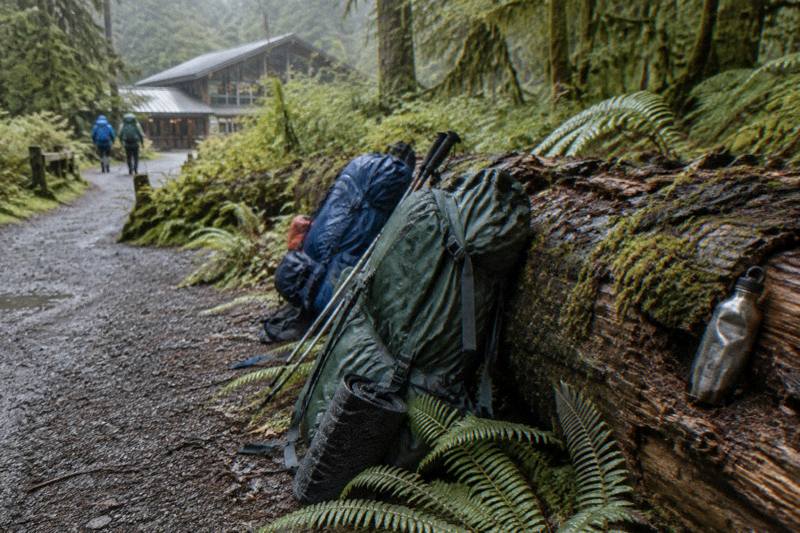
What Is The Hardest Hike In Olympic National Park?
The hardest hike in Olympic National Park is the Hoh River Trail to the Blue Glacier moraine, 18.5 miles out one way. Here is how it compares with the High Divide Loop, Seven Lakes Basin and guided options.
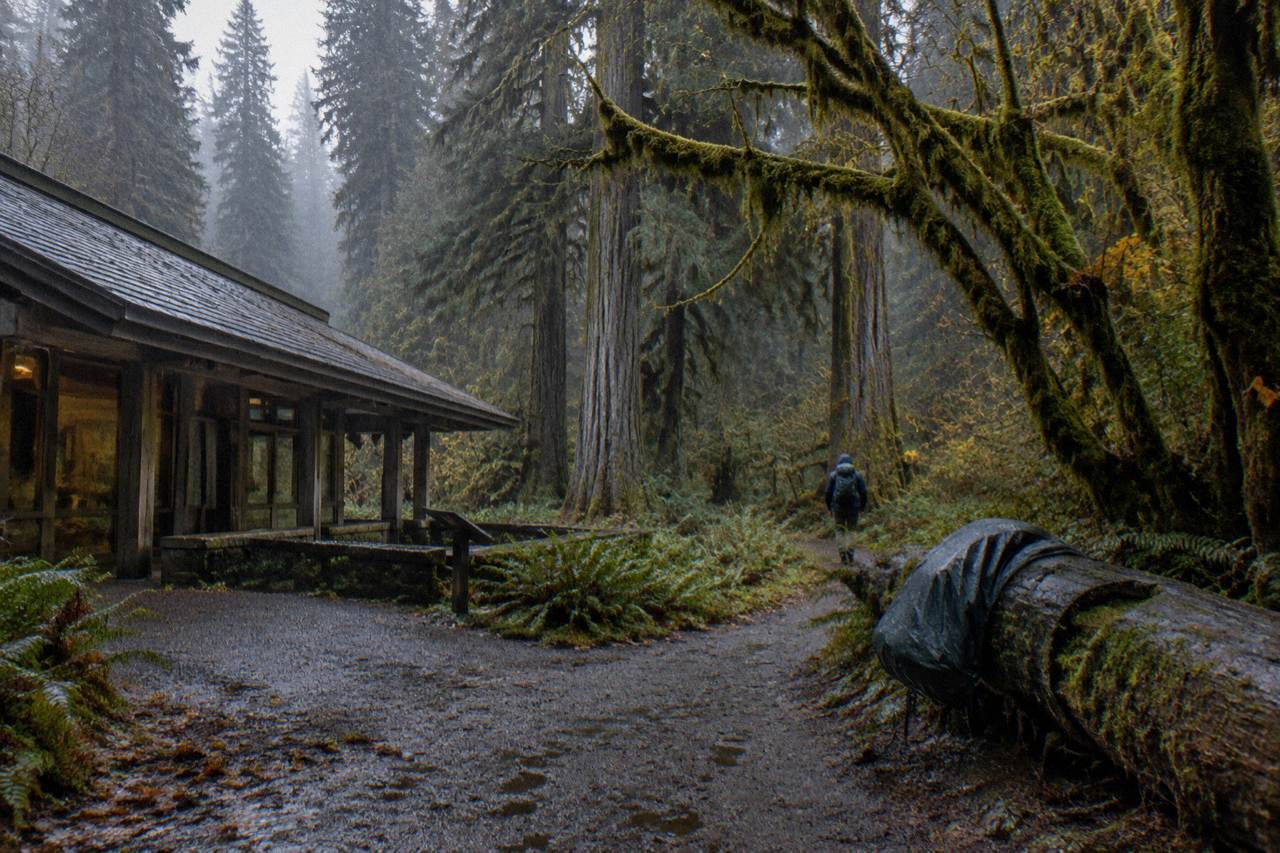
What Is The Hardest Hike In Olympic National Park?
The hardest hike in Olympic National Park is the Hoh River Trail to the Blue Glacier moraine, an out-and-back of 18.5 miles each way through the Hoh Rain Forest to the ice at Mount Olympus. By raw effort and route-finding over multiple days, nothing else in the park matches it. The High Divide Loop through Seven Lakes Basin, a 2 to 3 day trek, is the closest rival and the harder climb mile for mile.
Both routes sit in the park's wettest corner, where yearly rainfall averages 140 inches in the Hoh valley and the terrain climbs from sea-level forest to alpine ridges within a single day's walk. That combination of distance, vertical gain, saturated trail and glacier-country weather is what separates these hikes from the park's day-hike inventory. The rest of this article breaks down exactly what makes each route hard, what permits you need, and how a guided trek changes the equation. If that level of commitment sounds like more than you bargained for, the guide to the Sol Duc Falls trail and hot springs lays out a far gentler rainforest option that still ends with a rewarding soak.
For hikers who want the Blue Glacier or Seven Lakes Basin experience without organizing permits, bear canisters and campsites alone, the park's Olympic National Park Tours roster includes guided multi-day treks that handle the logistics. The comparison below covers the self-supported and guided options side by side.
Why Is The Hoh River Trail To The Blue Glacier So Demanding?
The Hoh River Trail runs 18.5 miles one way from the Hoh visitor center to the Blue Glacier moraine, a round trip most parties split across 3 to 5 days. The trail stays gentle for the first miles, then turns to rock, roots and glacial silt as it climbs past Elk Lake into the alpine zone. Rain, river fords and bear-canister rules add weight and friction at every stage.
The numbers tell part of the story. The park's own trail page lists the Hoh River Trail as out-and-back to 18.5 miles, ending at the Blue Glacier moraine, and the Hoh Rain Forest records about 140 inches of precipitation a year, more than ten times what falls on the park's driest side. A hiker carrying a full pack through that environment is hauling a heavier, wetter load than the same hiker on an eastern-Cascades route of identical length.
The rest of the difficulty is cumulative. The trail crosses the Hoh's braided gravel bars repeatedly, and the flat valley miles at the start lull parties into a pace they cannot sustain once the climb to Elk Lake begins. Above the lake, the route steepens toward the meadows at Glacier Meadows and the moraine viewpoint, where the forest finally opens onto the Blue Glacier's icefall. Weather up high can differ completely from the trailhead: the park notes that snow can appear in the high country as early as late September, and Hurricane Ridge country records 30 to 35 feet of snow in a normal winter, a reminder of how much moisture this range processes.
A solo party planning this route needs a wilderness permit for every night, an approved bear canister for all food and scented items, and a realistic schedule with a weather buffer. The guided option, the 5-Day Hoh And Blue Glacier Trek from $2,400 per person, covers permits and campsites, group backpacking equipment, most meals and a professional guide; its review pool is small, so judge it on the itinerary and the listing rather than a rating. Trek details are on the park's Hoh Rain Forest page.
How Does The High Divide Loop Compare In Difficulty?
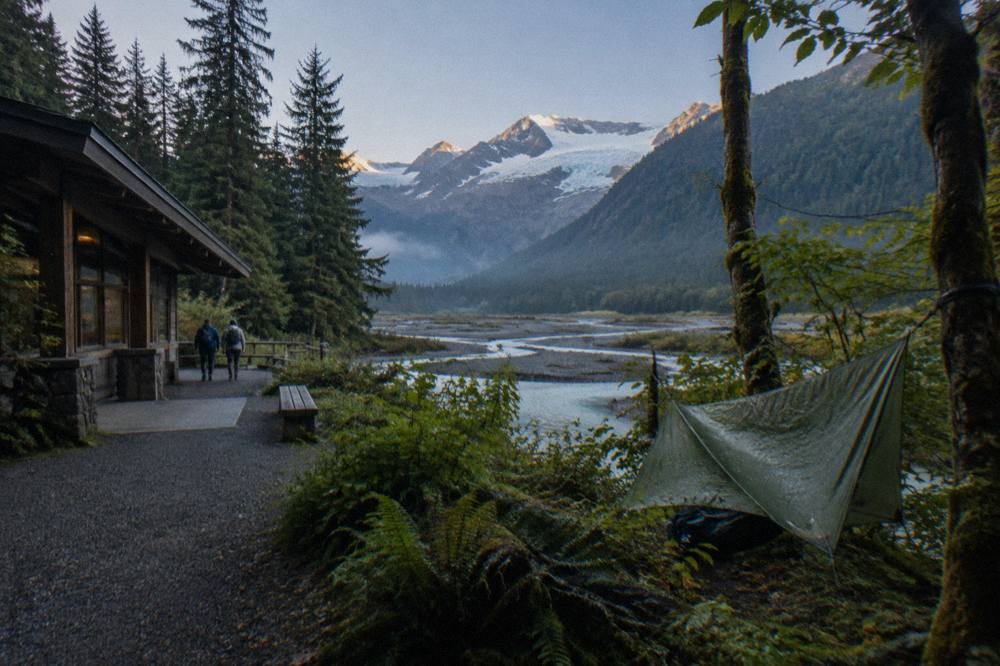
The High Divide Loop through Seven Lakes Basin is shorter than the Hoh trek, usually walked as a 2 to 3 day circuit from the Sol Duc valley, but it is steeper and more exposed. The park describes it as a popular 2 to 3 day hike, and its quota-controlled campsites fill fast in summer. Where the Hoh wears you down with distance, the High Divide punishes you with climbing, ridgeline weather and early-season snowfields.
The loop's character changes completely at the climb out of the Sol Duc valley: forest gives way to an open ridgeline with views across to Mount Olympus, and the exposure that makes the scenery also removes any shelter when a front moves in. Late-lingering snow can cover sections of the divide well into summer, and the park's quota system for Sol Duc and Seven Lakes Basin exists precisely because the campsites along this route are among the most requested in the park. Parties who arrive without a reservation for the quota area can be turned back at the Wilderness Information Center.
Permit mechanics matter here as much as conditioning. Summer-season permits for May 15 to October 15 release on April 15 at 7:00 AM Pacific through Recreation.gov, and Sol Duc / Seven Lakes Basin is one of the named quota areas alongside Grand Valley, Royal Lake and the Ozette coast. Each permit costs $8 per person per night plus a $6 reservation fee, with a group-size cap of 12 in most places. The park's wilderness reservations page carries the full rules and the booking window.
For hikers who would rather not fight the April permit drop, the 4-Day Seven Lakes Basin Trek from $2,000 per person includes the same route with permits, campsites, meals and group gear handled. It has no reviews yet on its listing, so there is no rating to report; the value case rests on what it bundles.
What Makes Seven Lakes Basin One Of The Toughest Treks?
Seven Lakes Basin combines the High Divide's climbing with a fragile alpine basin that the park manages under a strict quota, so the hike is hard twice over: physically, because the circuit gains most of its elevation in two sustained pushes, and logistically, because campsites are limited and the permit window opens months ahead. Hikers who secure a spot in the basin sleep beside subalpine lakes that sit a full day's walk from the nearest road.
The basin itself sits just below the High Divide, ringed by small lakes and heather meadows that hold snow late. The approach from Sol Duc follows the valley trail past the falls, then climbs sharply to the ridge; most parties spend their first night lower and their second in the basin proper. Black bears are active throughout this country and the park requires approved Animal Resistant Food Containers for all overnight wilderness stays, so every party carries a hard-sided canister regardless of how light they hoped to travel (see Grizzly Bears In Olympic).
Roosevelt elk, which form the largest fully wild herd in the Pacific Northwest, are common in the river valleys and the park asks visitors to stay at least 100 feet away from them at all times. That distance rule matters on the valley approaches, where elk graze on and near the trail. The park's weather page is blunt about the other hazard: this is one of the wettest non-tropical places in the lower 48, and parties should plan for rain on any date.
| Route | Distance and duration | Main difficulty | Permit situation |
|---|---|---|---|
| Hoh River Trail to Blue Glacier moraine | 18.5 miles one way, 3 to 5 days | Total mileage, river bars, sustained climb above Elk Lake | Year-round wilderness permit; Hoh quota areas apply |
| High Divide Loop | 2 to 3 days circuit | Steep climbing, exposed ridge, late snow | Sol Duc / Seven Lakes Basin quota area |
| Seven Lakes Basin traverse | Usually combined with the High Divide | Elevation in two pushes, fragile campsites | Same quota area, limited sites |
| Ozette coast triangle | Overnight loop between trailheads and camps | Tide-dependent headlands, mud boardwalks | Ozette coast quota area |
Should You Hike Olympic's Hardest Routes With A Guide?
Guided treks make sense for the park's hardest routes when the limiting factor is logistics rather than legs. A guided 4 or 5 day trek from this site's roster bundles permits, campsites, group equipment, meals and a professional outdoor educator into one price from $2,000 to $2,400 per person. Self-supported parties pay less in cash but manage the April permit release, bear canisters, food planning and route decisions themselves.
The honest trade-off is control versus margin for error. The Blue Glacier route crosses glacial outwash and high-country terrain where weather calls genuinely matter, and a guide who reads that country turns a marginal-conditions day into a safe alternate plan instead of a forced decision. The 5-Day Hoh And Blue Glacier Trek also packs a souvenir shirt and all trail meals into the listed price, which removes the single biggest source of pack weight on a rainforest trek: food carried wet.
Guides do not make the hike easier. The miles are the same. What changes is the failure surface: a guided party that hits a washed-out section or a storm day has an experienced decision-maker on the spot, while a self-supported party is making that call with a phone that may have no signal. The park's own guidance for commercial activity notes that guided hiking and backcountry operations run under a Commercial Use Authorization from the park, so a licensed guide is operating inside a framework the park itself supervises.
For a private, lower-commitment taste of hard hiking, the Maiden Peak Private Hike runs from $360 per group for 6 to 8 hours with a professional guide, trekking poles and water filtration included; meals are extra, and its operator directs profits toward youth scholarships for outdoor adventures. It has no reviews yet, so treat it as an itinerary rather than a proven quantity. Day-hikers who want brutal without overnight can also look at the routes covered in the best hikes in Olympic National Park guide.
What Permits Do You Need For A Hard Backcountry Hike?
Every overnight stay in Olympic's wilderness requires a permit year-round, booked through Recreation.gov, at $8 per person per night plus a $6 non-refundable reservation fee per permit. Summer-season permits for May 15 to October 15 release on April 15 at 7:00 AM Pacific, and the hardest routes sit inside quota areas: Sol Duc / Seven Lakes Basin, Grand Valley, Royal Lake and the Ozette coast. Group size is capped at 12 in most places.
The release window is the part that surprises people. Quota-area campsites for the popular summer months are snapped up within minutes of the April opening, and parties planning the High Divide or the Hoh's upper camps either book in that first hour or adapt: shifting dates, choosing non-quota zones, or letting a guided operator hold the permits. Youth 15 and under are free but still count toward group size, and every member of the party, including youth, needs to be on the permit.
Park entry is a separate charge. A private vehicle enters for $30 valid seven consecutive days, a person on foot or bicycle pays $15 for ages 16 and up, and an Olympic Annual Pass runs $55. The park does not accept cash, and the fee pages recommend pre-paying at Recreation.gov to shorten entrance-station waits. The full fee schedule, including the 2026 fee-free days, is on the park's fees page.
| Permit or fee | Cost | Applies to |
|---|---|---|
| Wilderness permit, per person per night | $8 | All overnight backcountry stays, year-round, age 16+ |
| Permit reservation fee | $6 per permit | One-time, non-refundable |
| Private vehicle entry | $30 | 7 consecutive days, all occupants |
| Per person entry on foot or bicycle | $15 | 7 days, ages 16 and up |
| Olympic Annual Pass | $55 | One year from month of purchase |
What Does Olympic Weather Do To A Hard Hike?
Olympic's weather multiplies difficulty rather than adding to it. The park records 100 to 170 inches of annual precipitation on the coast and in the western valleys, Hurricane Ridge country builds 30 to 35 feet of snow in a normal winter, and snow can reach the high country as early as late September. A hard route here is planned around rain probability, not around avoiding it.
The practical consequences are concrete. Tarps and pack covers fail in sustained Hoh rainfall, so experienced parties pack them anyway and expect to deploy them by mid-afternoon. The high ridgelines, including the High Divide and the approach to Glacier Meadows, can hold snowfields or be blanketed early and late in the season, turning a summer hike into an early-autumn mountaineering outing. The park's road and weather recording at 360-565-3131 is the tool locals use before committing, and the park's conditions page posts live alerts including the Highway 101 Hoh River Bridge closure schedule.
Road access shapes itinerary planning on these routes more than most guides admit. Highway 101's overnight closures at the Hoh River Bridge, 7 p.m. to 5:30 a.m. each night October 13 to 19, mean a party driving from the south side must either cross before the evening closure or take an east-side alternate that adds at least four hours. The Hoh trailhead itself stays reachable from Forks throughout. Any party should verify current status with the park before travel.
How Fit Do You Need To Be For The Hardest Olympic Hikes?
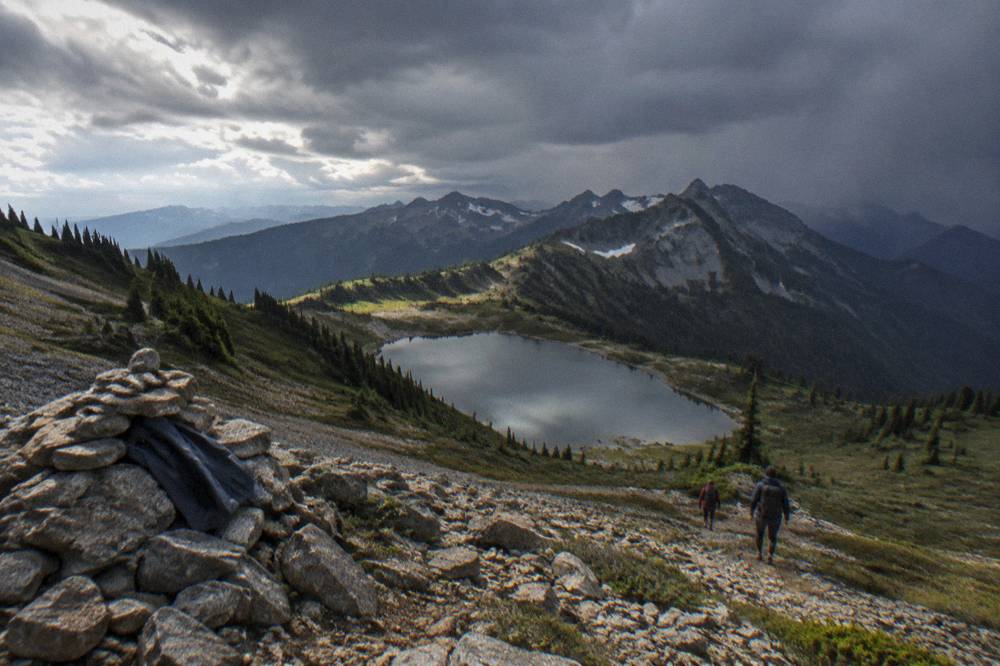
Honest benchmark: the park's hardest routes suit hikers comfortable with 10 to 14 mile days carrying a 35 to 45 pound pack, repeated for three to five consecutive days, in weather that does not cooperate. The Hoh's valley miles are forgiving, but the climb above Elk Lake and the High Divide's sustained grade expose any gap in conditioning. Strong day-hikers who have never carried a full pack overnight should build up before attempting either route.
The best preparation is specific. Backpack-loaded stair climbs and consecutive-day training hikes translate directly; treadmill miles do less. Parties should also rehearse wet-weather routines, because a party that stops to unpack dry layers every ninety minutes on the Hoh loses an hour a day. The park's trail descriptions, including the Hall of Mosses at 0.8 miles and the Spruce Nature Trail at 1.2 miles, offer gentle warm-up walks at the Hoh visitor center that double as a shake-out before a big departure.
Age is not the filter, experience is. The listing for the Hoh-to-Blue-Glacier guided trek reports participants of mixed ages completing the five-day itinerary, and a medically trained guide, which several of this site's roster tours carry, changes the risk picture for parties with any health consideration. Parties unsure of their readiness can compare the commitment levels across Olympic multi-day and backpacking tours before choosing between guided and self-supported.
What Should You Pack Differently For Olympic's Toughest Trails?
Three items decide these hikes: an approved bear canister, which the park requires for every overnight wilderness stay; genuinely waterproof shelter and layers, not water-resistant ones; and footwear that drains, because the Hoh's fords and mud will submerge anything less. Every ounce matters on a multi-day round trip, but these three categories are where hikers cut corners and pay for it on day two.
The bear-canister rule is non-negotiable: the park's approved list names specific hard-sided models, and hanging food is not an accepted substitute. All food, trash and scented items must be secured at all times, and bears are active year-round. Beyond the mandatory kit, parties consistently under-pack on gloves and over-pack on cotton; the high ridges run cold even in August wind, and cotton holds the Hoh's moisture against skin for days.
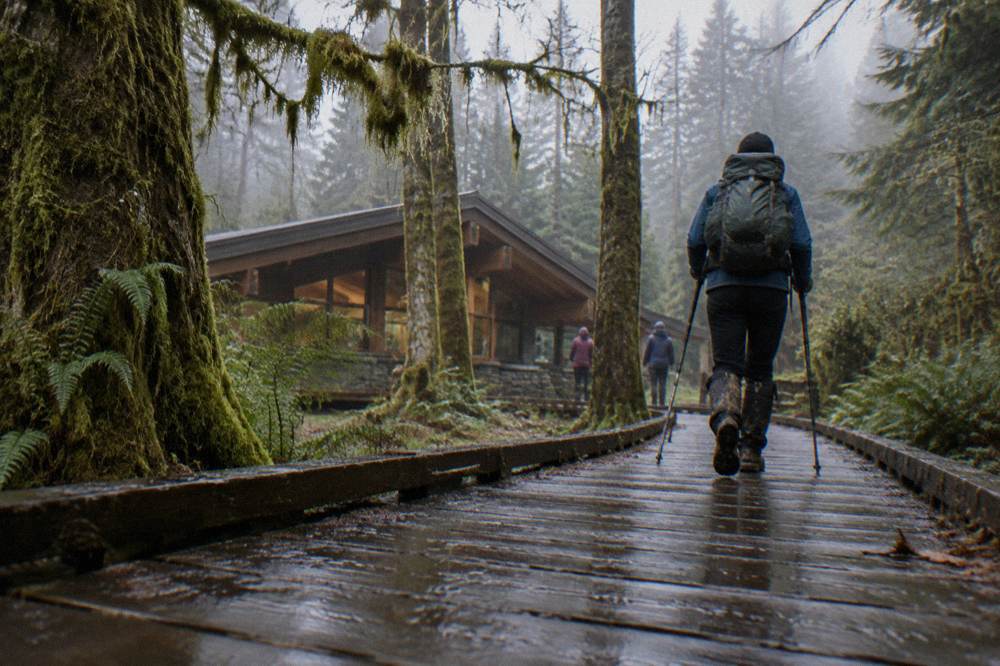
The full packing logic, including what to bring on guided tours where group gear is shared, is covered in the what to bring on an Olympic National Park tour article. One Olympic-specific note stands out: pack a repair plan for the trails' wooden boardwalk sections, whose slick surfaces account for a share of the minor injuries the park sees, and keep trekking poles deployed through the mud even when the grade looks flat.
Is A Multi-Day Guided Trek Worth The Price?
At $2,000 to $2,400 per person, the guided multi-day treks on this site's roster cost roughly what a self-supported party spends per head once permits, rentals, food, fuel and a share of gear purchases are totaled, except the guided price also buys a professional outdoor educator and someone else's permit vigilance on April 15 at 7:00 AM. For hikers whose constraint is time rather than budget, guided is frequently the rational choice.
The two flagship itineraries split the park's hardest walking between them. The 5-Day Hoh And Blue Glacier Trek from $2,400 per person takes the full Hoh route to the glacier with equipment, permits, campsites, a souvenir shirt and most meals included. The 4-Day Seven Lakes Basin Trek from $2,000 per person covers the High Divide country with the same bundling. Neither carries a large review pool, so the comparison rests on itinerary, inclusions and price, all printed on the listings.
A middle path exists for hikers who want a guide's judgment without the multi-day commitment. The Two-Day Private Tour And Hike from $1,705 per group runs a private vehicle, a medically trained naturalist guide, park entry, two lunches and accommodations with a small pool of reviews, and it lets a party sample hard hiking while sleeping indoors between days. The full spread, from that private option to the coach-scale tours, sits in the site's multi-day category alongside the treks above.
| Guided option | From price | Duration | What the listing includes |
|---|---|---|---|
| 5-Day Hoh And Blue Glacier Trek | $2,400 per person | 5 days | Equipment, permits, campsites, most meals, souvenir shirt |
| 4-Day Seven Lakes Basin Trek | $2,000 per person | 4 days | Equipment, permits, meals, guide |
| Maiden Peak Private Hike | $360 per group | 6 to 8 hours | Guide, poles, filtration |
| Two-Day Private Tour And Hike | $1,705 per group | 2 days | Private vehicle, naturalist guide, entry, lunches |
Common Questions About The Hardest Olympic National Park Hikes
What Is The Hardest Hike In Olympic National Park?
The Hoh River Trail to the Blue Glacier moraine is the hardest hike in Olympic National Park: 18.5 miles each way through the Hoh Rain Forest to glacial terrain at Mount Olympus, usually walked as a multi-day round trip over 3 to 5 days. The High Divide Loop through Seven Lakes Basin, a 2 to 3 day circuit, is the closest rival and the steeper climb.
Do You Need A Permit For The Hoh River Trail?
Yes. A wilderness permit is required year-round for every overnight stay in Olympic's backcountry, at $8 per person per night plus a $6 reservation fee per permit. Summer permits release April 15 at 7:00 AM Pacific through Recreation.gov, and quota areas fill within minutes.
How Many Days Does The Hike To Blue Glacier Take?
Most parties take 3 to 5 days for the round trip, with nights split between the valley camps, Elk Lake and the meadows near the glacier. The 5-Day Hoh And Blue Glacier Trek uses the full five days, which allows a weather buffer and a slower, steadier pace above Elk Lake.
Is The High Divide Loop Harder Than The Hoh River Trail?
Mile for mile, yes. The High Divide gains its elevation in shorter, steeper, more exposed climbing, while the Hoh River Trail spreads its difficulty across far greater total distance. Fit parties often find the High Divide the harder single day and the Hoh route the harder overall effort.
Do You Need Bear Spray For Olympic's Hardest Hikes?
Black bears are the only bear species in the park, and the park's food-storage rules, not bear spray, are the core requirement: an approved hard-sided bear canister for all food, trash and scented items on every overnight wilderness stay. Check the park's approved container list before buying or renting.
Can Beginners Do A Guided Olympic Trek?
Guided treks suit reasonably fit hikers with some backpacking exposure rather than complete beginners. The guide handles permits, navigation and weather decisions, but the miles and pack weight are real. Hikers new to overnight trips should train with a loaded pack first or start with a private day hike such as the Maiden Peak Private Hike.