What Should I Bring On An Olympic National Park Tour?
A practical packing list for guided tours of Olympic National Park, covering rain gear, footwear, food, layers and what the tours themselves already include.
What Should I Bring On An Olympic National Park Tour?
What Should I Bring On An Olympic National Park Tour?
Bring a waterproof rain jacket, warm layers you can shed, broken-in walking shoes, a refillable water bottle, sun protection, any personal medications, and snacks beyond what the tour provides, in a small daypack that closes fully. Seattle day tours run 10 to 13 hours on the listings, and the park swings from 50-degree rain forest shade to 5,242-foot ridge sun in one day, so the list is about layers rather than gear.
The packing question matters more here than at most parks because a guided Olympic day is long and stacked. The Small-Group Ferry Day Tour runs 11 hours from Seattle, the All-Inclusive Naturalist Day Tour runs 12, and the Hurricane Ridge And Lake Crescent Day runs 11. You leave a Seattle hotel in early morning dark and return after dark, with no realistic chance to grab something forgotten. Whatever is in your pack at pickup is what you have.
Most Seattle departures also include a ferry crossing, which changes the day in a small but real way: you will spend part of the ride on an open deck in Puget Sound wind, then a few hours later stand in a temperate rain forest that receives 140 inches of precipitation in an average year. The Hoh Rain Forest section of the park records one of the wettest climates in the continental United States, per the National Park Service, while Hurricane Ridge sits at 5,242 feet where snow can appear in the high country as early as late September. One bag has to serve all of it. If you're still deciding between this park and Washington's other flagship, our comparison of Mount Rainier and Olympic National Park helps you figure out which one fits your trip.
The good news is that the tours absorb a surprising amount of the load. Lunch, snacks and bottled water appear on several Seattle rosters, and some include the park entrance fee, which saves a stop at an entrance station. Before packing anything yourself, check the includes list on the tour listing, because the difference between a $188 day and a $368 day is often precisely how much of this list the operator is already carrying for you.
If you are comparing operators before you pack, the Olympic National Park Seattle day tours hub lays out the full range of departures, durations and inclusions side by side, which is the fastest way to find out whether you need to pack lunch or just pack layers.
What Kind Of Jacket And Layers Do You Need For Olympic National Park?
A waterproof rain shell is the single non-negotiable item, paired with a fleece or insulated mid-layer and a long-sleeved base. Temperatures on one tour day can range from cool, dripping rain forest valleys to a windy subalpine ridge, and rain falls somewhere in the park on most days of the year. A packable down or synthetic jacket under the shell covers the ridge; the shell alone covers the forest and any ferry deck time.
Start with the shell. It does not need to be expensive, but it needs an actual hood and a water-resistant zipper or storm flap, because the difference between damp and soaked over an 11-hour day is mostly whether the rain got to your mid-layer. Skip the poncho for a tour context: they billow on windy ridgelines and are awkward to manage getting in and out of a van repeatedly.
The layering logic underneath is simple. The park's own weather guidance notes annual precipitation of 100 to 170 inches on the coast and western valleys, while Port Angeles at park headquarters averages only 25 to 30 inches, so a tour that leaves Port Angeles sunshine can end in a downpour 45 minutes west. A mid-layer you can remove and stuff in the pack beats one heavy coat you either wear or carry on your arm all day.
Think in threes: base layer for the forest, base plus mid-layer for the ferry, all three layers for the ridge. Gloves and a warm hat earn their space in any month outside July and August, since Hurricane Ridge traditionally records 30 to 35 feet of snow a year and stays cold well into summer. Full weather planning detail lives on the park's official weather page, which is worth a read the night before departure.
| Destination on the tour | Typical conditions | Layers that earn their space |
|---|---|---|
| Hoh Rain Forest valley | Wet, mild, heavy canopy drip | Rain shell, long-sleeve base, water-resistant daypack |
| Hurricane Ridge | Wind, cold, strong sun at altitude | Shell, fleece mid-layer, hat, gloves, sunglasses |
| Coastal stops (Ruby Beach, Kalaloch) | Wind, salt spray, changeable | Shell, warm layer, buff or hood for wind |
| Ferry deck crossing | Wind, cool, occasionally sunny | Shell plus mid-layer, hat |
Packing for weather is also easier when the itinerary is known in advance. The Hurricane Ridge And Lake Crescent Day from Seattle, from $188 per person and rated 4.6 across 220 reviews, splits its 11 hours between the ridge and the lake shore, two of the coldest and warmest microclimates on the route, so it is the departure where the full three-layer system matters most. A guest named Viviana described it as a very interesting tour from Seattle, and noted the guide was a careful driver, which is the kind of long-day operator worth packing properly for.
Which Shoes Should You Wear On A Guided Olympic Tour?
Wear broken-in walking shoes or lightweight hikers with real tread, plus wool or synthetic socks, and skip anything you cannot get wet. Tours build in guided walks, and short rain forest paths like the Hall of Mosses Trail at 0.8 miles stay muddy and slick year-round. You do not need mountaineering boots; you need shoes that grip wet surfaces and survive a puddle.
The terrain on a standard day tour is gentler than people fear. The famous short walks are under two miles, and the All-Inclusive Naturalist Day Tour states its hikes are tailored to the group, with snowshoe treks substituted in winter. That means the shoe decision is about traction and water, not ankle support for a backpacking load. Trail runners with decent lugs are fine; brand-new stiff boots that have never been worn are not, because blisters on a 12-hour day end the walking portion of the tour early.
Socks are the underrated item. Cotton socks in a shoe that gets damp, whether from rain or the mist at a coastal stop, stay wet for hours and chill the whole body. Wool or synthetic hiking socks dry fast and keep feet warm even when the shoe is no longer dry. Bring a spare pair in the daypack; they take almost no space and a dry pair at the coastal stop after a soggy forest walk is the single most appreciated item on any tour.
Sandals, dress shoes and smooth-soled sneakers are the common mistakes. Smooth soles on wet boardwalk and moss-slick rock are genuinely hazardous at places like Marymere Falls, where the trail runs through constant spray. If you own waterproof shoes, this is the trip for them, but the park paths see so much foot traffic that ordinary shoes with aggressive tread perform nearly as well.
| Footwear choice | Works for | Fails at |
|---|---|---|
| Broken-in hiking boots | Everything, including muddy forest paths | Nothing, but heavy for a van day |
| Trail runners with lugs | Forest walks, lake shore, tide pool rocks | Deep winter snow without overshoe traction |
| Everyday sneakers | Dry gravel paths | Wet boardwalk, mossy rock, mud |
| Sandals or dress shoes | Nothing on the itinerary | Everything on the itinerary |
For winter departures the calculus shifts, and the tour listing usually tells you. The Small-Group Hike Or Snowshoe Day states outright that guests hike or snowshoe depending on the season, and its 4.9 rating across 145 reviews suggests the operator supplies the snowshoe hardware; confirm on the listing whether boots are needed or whether your regular waterproof shoes with the provided snowshoes suffice.
How Much Food And Water Should You Pack?
Pack a full water bottle and a small bag of supplemental snacks even when the tour includes lunch, because the days run 10 to 13 hours and the included meal is one meal. Tours listing lunch, snacks and bottled water cover the basics; anything you specifically need, whether allergy-safe food, a hot drink or a second coffee, comes from your own bag.
The inclusion picture varies more between operators than almost anything else. The Small-Group Ferry Day Tour lists lunch (a sandwich), snacks, a granola bar and bottled water among its inclusions, alongside the roundtrip ferry and the park entrance fee. The Rainforest And Beach Highlights tour lists snacks of craft chocolate bars, almonds, pistachios, water and drinks, plus lunch. The All-Inclusive Naturalist Day Tour is explicitly all-inclusive, including morning local coffee and tea. On those departures your own food is a supplement, not a necessity.
On others it genuinely is a necessity. The Hurricane Ridge And Lake Crescent Day and several Port Angeles departures direct guests to the listing for inclusions, and some Port Angeles tours note that picnic lunches are available for purchase at a scheduled stop or can be packed by the guest. If you have dietary restrictions, assume nothing: a sandwich default and a granola bar will not carry a vegan, gluten-free or nut-allergic traveler through a 12-hour day. Pack your own regardless, and tell the operator in advance through the booking channel.
Water deserves specific attention. A day that includes a ridge walk at altitude plus a forest walk dehydrates people faster than they expect, and stops for refills depend entirely on the route. A one-liter bottle minimum, two in summer, is the working range. Electrolyte tabs are a reasonable add for hot ridge days.
| Tour (from price) | Food the listing includes | What you should still pack |
|---|---|---|
| Small-Group Ferry Day Tour (from $188 per person) | Lunch, snacks, granola bar, bottled water | Dietary-specific food, extra water |
| Rainforest And Beach Highlights (from $285 per person) | Lunch, snack bars, almonds, pistachios, drinks | Allergy-safe alternatives, extra water |
| All-Inclusive Naturalist Day Tour (from $368 per person) | Full-day all-inclusive, coffee, tea, lunch | Personal snacks only |
| Hurricane Ridge And Lake Crescent Day (from $188 per person) | See listing | Lunch, snacks and water until confirmed |
The food and inclusion comparison across the whole roster is laid out in more depth in the existing guide to what an Olympic day tour includes, which is worth reading before a grocery run, because the answer can move $40 of packing into a $0 problem depending on the operator you choose.
The all-inclusive option deserves a plain note for its price tier. At from $368 per person it sits among the pricier standard Seattle departures on the roster, and what that buys, per the listing, is a full-day all-inclusive format with a professional naturalist guide, tailored hikes or winter snowshoe treks, and included food and drink throughout. It rates 4.9 across 1,067 reviews, one of the largest review pools on any Olympic departure, and for a traveler whose main packing anxiety is logistics, that inclusion list removes most of the checklist above.
What Should You Bring For Kids On A Long Tour Day?
Bring layer duplicates, a fully closed water bottle, motion-sickness remedies for the winding ridge road, quiet entertainment for long drive segments, and their own snacks. Children 15 and under enter the park free on foot, but tour pricing for kids is set by each operator, so check the listing. A 10 to 13 hour day is long for a child, and the packing list is mostly about managing the in-van hours.
The drive segments are the honest constraint. Hurricane Ridge Road climbs 17 miles of switchbacks from Port Angeles, and even the most engaged child has a wall somewhere around hour nine. A tablet with downloaded content, a book, or a simple car game works better than planning to rely on scenery, because the forest stretches between stops can run long. Motion-sickness bands or medication, dosed before the winding section rather than after nausea starts, save entire families' days on the ridge road.
Clothing math changes with kids too, because they run hot on trail and cold on the ferry deck, and they do not reliably notice either. A spare base layer in the pack, not just a spare sock, handles both a drenching at a coastal stop and a ridge wind. A small towel or bandana earns its space for tide pool splashes and forest mud, both of which are essentially guaranteed if children are present.
Food for children follows the same rule as adults but stricter: assume the included lunch will not fully fit a picky eater, even on the tours that list lunch. And entry fees, one common parental question, are fixed and published: private vehicle entry is $30 for seven consecutive days, per-person entry on foot is $15 for ages 16 and up, and 15 and under is free, per the park's fees page. On tours that include the entrance fee in the ticket, that line item is already handled.
Do You Need Cash Or A Park Pass On A Guided Tour?
You generally need neither. Tours that list the entrance fee as included have already paid it, and the park does not accept cash for fees or passes anywhere, so cash solves nothing at an entrance station. Bring a card for souvenirs, gratuities not covered by the listing, and any picnic lunch purchase stop. Check your tour's includes list to see whether entrance is on it.
The cash point surprises people and is worth stating plainly: Olympic National Park does not accept cash (see Drive-Through Guide). The park also suggests pre-paying entry on Recreation.gov to cut entrance-station waits, though on a commercial tour the vehicle is the operator's concern and their commercial entrance fee, $75 for a van or $100 for a mini-bus by the published schedule, is the operator's fee to pay, not the guest's.
Gratuities are the one place money actually matters on the day. Some rosters list gratuities as included, such as the SUV And Ferry Day Tour, and some explicitly note that a 10 to 20 percent tip is appreciated, as the Two-Day Private Tour And Hike does. A card or cash in your pocket for the guide covers every version. Beyond that, the packing rule is a wallet with a card, ID for any ferry or booking check, and nothing bulky.
A national park pass only enters the picture if you are driving yourself before or after, or on a self-guided option. The Self-Guided Audio Driving Tour, from $17 per group with 41 reviews so far, is a bring-your-own-car product where your own vehicle entry applies. On a standard guided departure, leave the pass at home if the listing includes entrance, and bring it only for independent days.
What Should You Pack For A Winter Or Shoulder-Season Olympic Tour?
Pack the full layering system, a warm hat and gloves, and real rain protection, and know that mountain access runs on a reduced winter schedule. Hurricane Ridge Road is scheduled open Friday through Sunday plus holiday Mondays in winter, weather permitting, and all vehicles must carry tire chains above the Heart O' the Hills entrance station November 1 through April 1, a rule that applies even to tours.
Winter tours shift from hiking to snowshoeing, and several listings say so directly. The Small-Group Ferry Day Tour lists exploring the park by hiking or snowshoeing depending on the season, and the All-Inclusive Naturalist Day Tour does the same. If snowshoes are involved, the operator typically supplies them, but the guest's clothing job gets harder: waterproof shell pants or at least water-resistant layers matter more, because sitting on and walking through snow soaks ordinary jeans in under an hour.
The shoulder seasons are the deceptive ones. October in the Hoh is green, dripping and mild, while the same week can put snow on Hurricane Ridge, which is why the park publishes that snow can appear in the high country as early as late September. A September or October tour should be packed like a winter tour for the ridge portion and an autumn tour for the forest, meaning everything in the daypack, worn in rotation. Tour operators watch these conditions daily, and the park's road status reporting at current road conditions plus the recorded road and weather line at 360-565-3131 are the primary sources operators and independent travelers both use.
One scheduling fact belongs on the radar of any winter planner using this packing list: the park publishes reduced winter operations for roads and facilities from October through May, with more detail on the park's hours and seasons page. A packed bag cannot fix a closed road, so pairing the packing list with a schedule check the night before is the complete preparation.
That ridge exposure is exactly why the Hurricane Ridge And Lake Crescent Day is the departure where winter packing pays off most directly. Its 11-hour route from Seattle includes the high country plus the Lake Crescent shore, and its 4.6 rating across 220 reviews reflects a lot of guests who saw both a warm lake afternoon and a frigid ridge morning on the same ticket. Bring the hat.
What Should You Leave Behind On An Olympic Tour?
Leave behind drones, which are prohibited in national parks, pets, which are not allowed on Hoh trails, bulky tripods that fight you in a moving van, and anything you would mourn losing to rain. A full-size suitcase does not fit the luggage logic of a shared van day. Pack as if every item will be rained on at least once, because on this itinerary, statistically, it will be.
The drone rule is federal and unambiguous, and the pet rule is park-specific and strict on the rain forest trails. Neither is worth testing on a paid tour day. Umbrellas are a softer leave-behind: legal and sometimes useful on the ferry, but useless on a windy ridge and a nuisance to manage on forest paths under dripping canopy, where the rain shell does everything better.
Camera gear deserves a hard look. A phone handles the whole itinerary. If you bring a real camera, one body and one weather-sealed or plastic-bagged lens is the working setup for a van day; a bag of glass spends the day under the seat getting stepped on. A dry bag or even a zip-top bag for electronics is the small item experienced visitors always have and first-timers never do.
How Does Ferry Travel Change The Packing List?
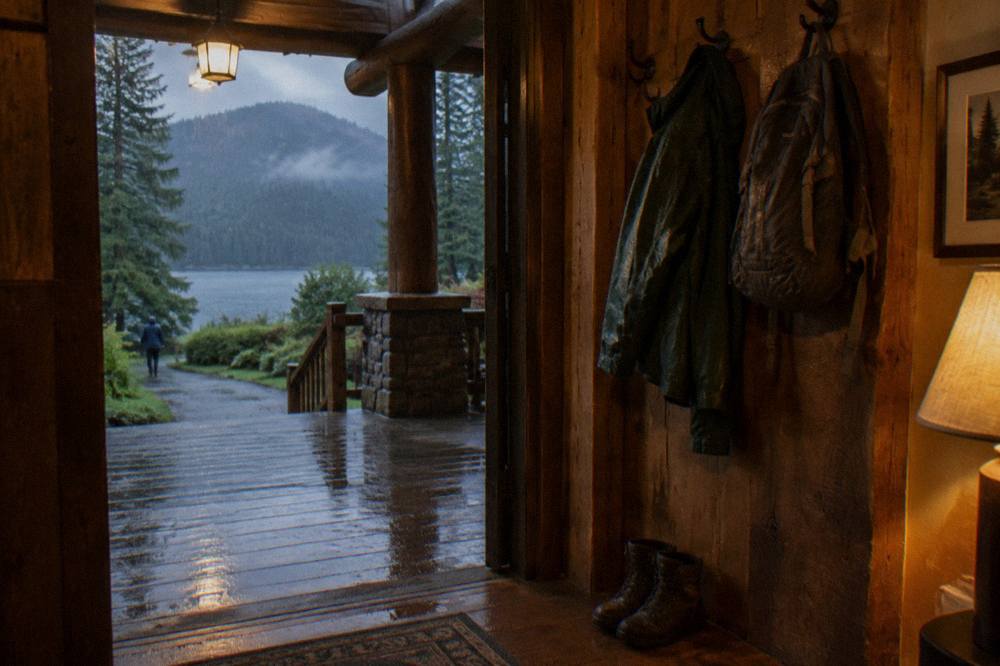
Ferry crossings add wind, cool deck air and long waiting-room stretches, so pack a windproof layer, something to do during the 35-minute Seattle crossing, and any motion-sickness remedy you normally use. Walk-on ferry fares are separate from tour pricing, and tours that include the roundtrip ferry state it in the listing, which is the detail to check rather than assuming.
Most Seattle departures cross Puget Sound by Washington State Ferries rather than driving around, and the crossing is roughly 35 minutes on the Seattle to Bainbridge Island run. Deck time in any month outside high summer is genuinely cold in the wind funnel of a moving vessel, so the same shell and mid-layer you packed for the ridge does double duty here. Sunglasses on the water glare are a small add that people forget.
The logistics side is handled on the tours that list it. The Small-Group Ferry Day Tour lists a roundtrip cross-bay ferry among its inclusions, and the Larger-Group Ferry Day Trip, from $239 per person and rated 4.9 across 400 reviews, lists ferry rides plus water and soda in the cooler. If the ferry is included, your only ferry-packing job is the deck layer; if you are doing independent ferry legs, fares run about $11.35 for an adult walk-on round trip, with vehicle and driver around $20.25 one-way, collected in both directions for vehicles.
A packing-relevant ferry quirk: foot passengers and vehicle passengers experience the crossing differently, and tour groups ride as a vehicle party, meaning you stay with the van and walk on deck from the vehicle deck. Keep the daypack with you in the passenger cabin rather than the hold, both for deck access and because medications, snacks and the warm layer are things you want within reach for the entire crossing and the drive on either side of it.
What Does A Complete Olympic Tour Daypack Look Like?
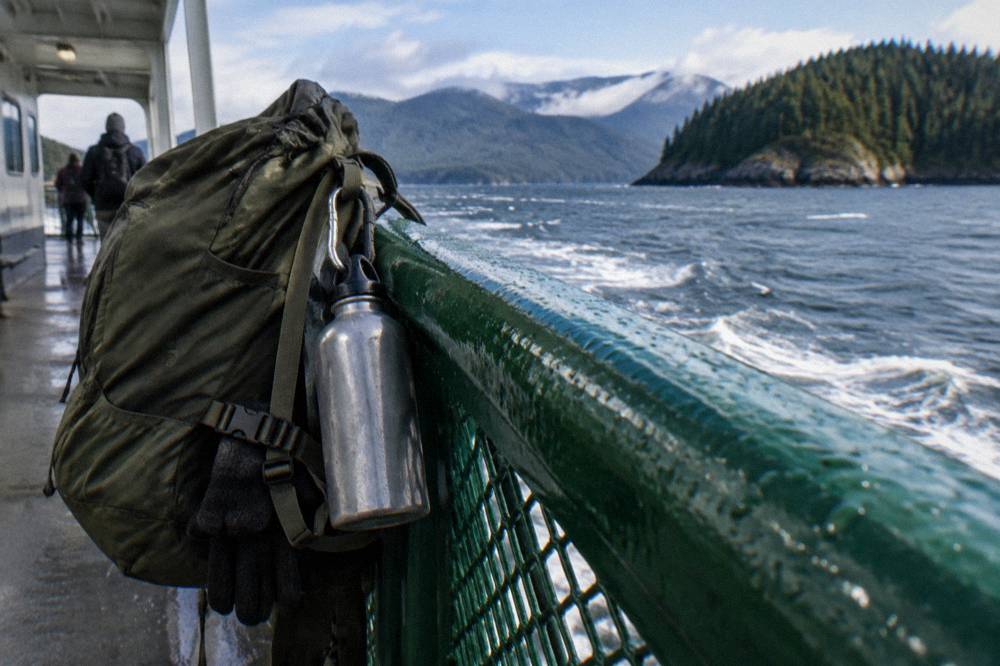
One small to medium daypack, fully zippered, holding a rain shell, mid-layer, warm hat and gloves, one-liter water bottle, supplemental snacks, spare socks, a small first-aid and medication kit, sun protection, a dry bag for electronics, and a card plus cash for gratuities. That is the whole list. Everything else on a long tour day is either included in the ticket or better left behind.
Run through it once more as a checklist, because the fail cases are consistent. Wet and cold is the number one problem on every Olympic itinerary, and the shell and layers fix it. Hunger and dehydration run second on a 10 to 13 hour day, and the bottle plus snacks fix that. Blisters, headaches and allergies run third, and the small first-aid kit covers the rest. Sunburn at altitude on a cold ridge is the counterintuitive one that catches people, so the sunglasses and sunscreen ride along even on gray mornings.
Weight matters on the van. A daypack under about 15 pounds keeps the day comfortable through repeated in-and-out stops, and it fits in the footwell or overhead shelf of a shared vehicle where a suitcase does not. Tours with hotel pickup, like most of the Seattle roster, load you directly from the lobby, so there is no car to retreat to for a forgotten layer once rolling.
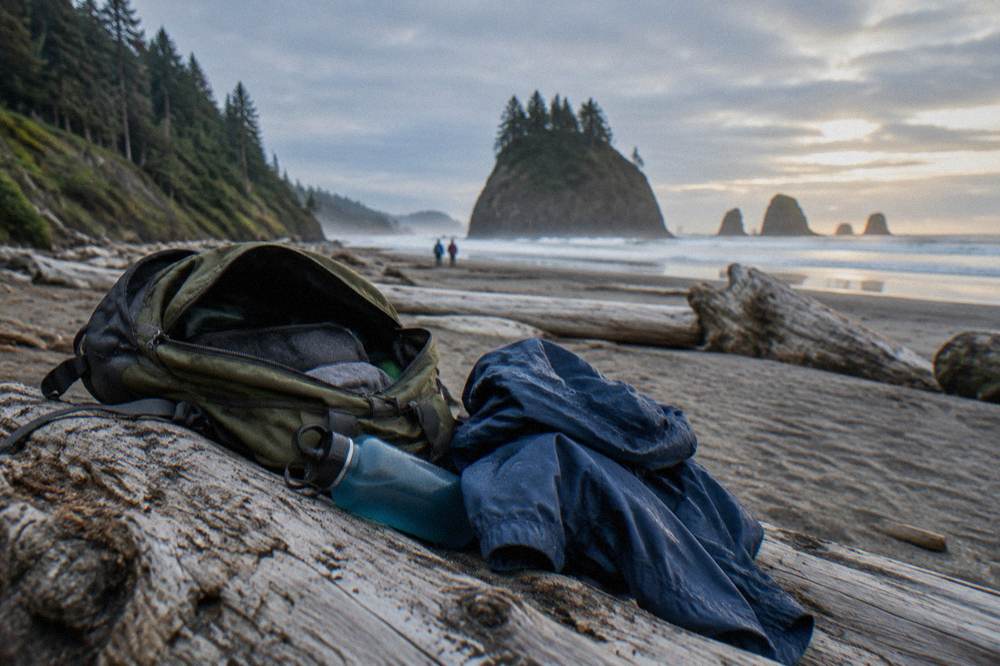
For a fuller sense of how the day unfolds before you pack for it, the existing walkthrough of where Seattle tours pick up covers the morning logistics that determine how much you can comfortably carry, and the planner on Olympic National Park Tours pairs this list with the matching departures. The Small-Group Ferry Day Tour remains the cleanest fit for a light-packing philosophy: from $188 per person, 11 hours, lunch, snacks, water, ferry and entrance included, rated 4.6 across 943 reviews, with a guest named David_E noting the operator even bought lunch when a schedule shifted. When the ticket carries that much, the daypack only has to carry the weather.
Common Questions About What To Bring On An Olympic Tour
What Should I Bring On An Olympic National Park Tour?
A waterproof rain shell, warm mid-layer, hat and gloves, broken-in walking shoes with wool socks, a one-liter water bottle, supplemental snacks, medications, sun protection, a dry bag for electronics, and a card plus tip money. Tours listing lunch, snacks, water, ferry and entrance fees reduce that list further.
Do The Tours Provide Food And Water, Or Do I Pack My Own?
Many Seattle departures include lunch, snacks and bottled water; the Small-Group Ferry Day Tour lists a sandwich lunch, snacks and water, and the All-Inclusive Naturalist Day Tour is all-inclusive. Check the includes list on your tour's listing, and pack your own food regardless if you have dietary restrictions.
Do I Need A National Park Pass Or Pay Entrance On A Tour?
Not on tours that list the entrance fee as included. The park does not accept cash, entry is $30 per private vehicle for seven days if you drive yourself independently, and commercial tour vehicles pay the operator's own commercial entrance fee, not the guest's.
What Shoes Are Best For The Short Trail Walks?
Broken-in walking shoes or trail runners with real tread. The Hall of Mosses Trail is 0.8 miles and the Spruce Nature Trail is 1.2 miles, both frequently wet and slick, so grip matters more than boot stiffness. Avoid smooth soles, sandals and brand-new boots.
Is A Rain Jacket Necessary In Summer?
Yes. The Hoh Rain Forest valley receives about 140 inches of precipitation in an average year, rain falls in every month, and summer ferry decks and ridge tops are windy and cool. A packable rain shell is the one item that belongs on every departure in every season.
What Should I Bring For A Winter Snowshoe Tour?
The full layering system plus waterproof shell pants or water-resistant layers, since tours that switch to snowshoes in winter typically supply the snowshoe hardware. Tire chains are a vehicle rule the operator handles, but guests should dress for sitting and walking in snow for hours.