Best Hikes In Olympic National Park: Trails By Area, Difficulty And Time
Olympic National Park spans 922,651 acres of rain forest, alpine ridges and wild coast, and the trails that cross it range from half-mile overlook walks to multi-day treks. Here is the shortlist by area, with the distances the park publishes, the effort each one asks, and the hour of day that suits it best.
Short answer
The best hikes cluster in five areas: the Hoh Rain Forest (Hall of Mosses 0.8 miles, Spruce Nature Trail 1.2 miles), Sol Duc (the falls overlook walk of about a mile), Lake Crescent (Marymere Falls, Spruce Railroad Trail), Hurricane Ridge, and the tide-aware coast. Most visitors can combine two or three short trails in a day; the Hoh River Trail to 18.5 miles is the park's long walk.
Olympic National Park holds 922,651 acres, and almost none of it is connected by a road through the middle. The park's own description of its visitation, over 3 million visits a year, lands on a handful of trailheads: the mossy loops of the Hoh, the falls walks at Sol Duc and Marymere, the subalpine views from Hurricane Ridge, and the tide-shaped beaches of the southwest coast. Choosing among them is really a question of area, since a single day rarely stretches across two valleys plus a ridge. This guide walks each area's trails in turn, with the distances the park publishes, the effort each walk asks, and the hour of day when it works best. For readers who would rather not drive the peninsula at all, the guided options at the end, from the Small-Group Hike Or Snowshoe Day out of Seattle to the Forks Small-Group Hike on the west side, fold the route, the tides and the trail choice into a single booking.
What Are The Best Hikes In Olympic National Park?
The strongest shortlist spans five areas: in the Hoh, the 0.8-mile Hall of Mosses loop and the 1.2-mile Spruce Nature Trail; at Sol Duc, the falls overlook walk of about a mile; at Lake Crescent, Marymere Falls via the Barnes Creek trail and the Spruce Railroad Trail; at Hurricane Ridge, the ridge-top walks above 5,242 feet; and on the coast, the tide-aware beach walks at Kalaloch and Ruby Beach.
The park's layout explains the pairing logic. Hurricane Ridge sits 17 miles south of Port Angeles, Lake Crescent about 18 miles west of it, and Sol Duc about 40 minutes west via Sol Duc Road, so those three stack naturally along the north side of the peninsula. The Hoh Rain Forest lies about a two-hour drive from Port Angeles and under an hour from Forks, on the west side, and the coastal beaches sit directly off Highway 101. A trip that starts in Seattle usually reaches the north-side areas first, which is why the Seattle-departure tours, like the Hurricane Ridge And Lake Crescent Day from $188 per person, concentrate there.
Distances in this guide come from the park's own trail pages, and the park is the only source worth trusting for them. Where a trail's length is not published in the park's materials, the entry below stays qualitative, describing the walk's character rather than inventing a number. Each area's entry also names the hour that suits it best, because in this park the timing question, parking at the Hoh, tides on the coast, cloud at the ridge, matters as much as the trail itself. For a wider look at how the areas fit together, the Olympic National Park itinerary guide lays out multi-day sequences, and Hurricane Ridge and Lake Crescent tours covers the guided options on the north side.
| Area | Signature trail | Published distance | Character |
|---|---|---|---|
| Hoh Rain Forest | Hall of Mosses Trail | 0.8 miles | Flat moss loop under bigleaf maple |
| Hoh Rain Forest | Spruce Nature Trail | 1.2 miles | Flat river-bottom forest walk |
| Hoh Rain Forest | Hoh River Trail | 18.5 miles out-and-back | Long valley walk to the Blue Glacier moraine |
| Sol Duc Valley | Sol Duc Falls overlook | About a mile from the parking lot | Easy forest walk to a three-pronged falls |
| Lake Crescent | Marymere Falls | Via the Barnes Creek trail | Easy forest walk to a 90-foot falls |
| Lake Crescent | Spruce Railroad Trail | Paved section along the north shore | Flat, bike-friendly, passes tunnels |
| Hurricane Ridge | Ridge-top walks | Varies by route | Subalpine meadows and mountain views |
| Coast | Ruby Beach, Beach 4 | Beach walks | Tide pools, sea stacks, driftwood |
Which Hoh Rain Forest Trails Should You Hike?
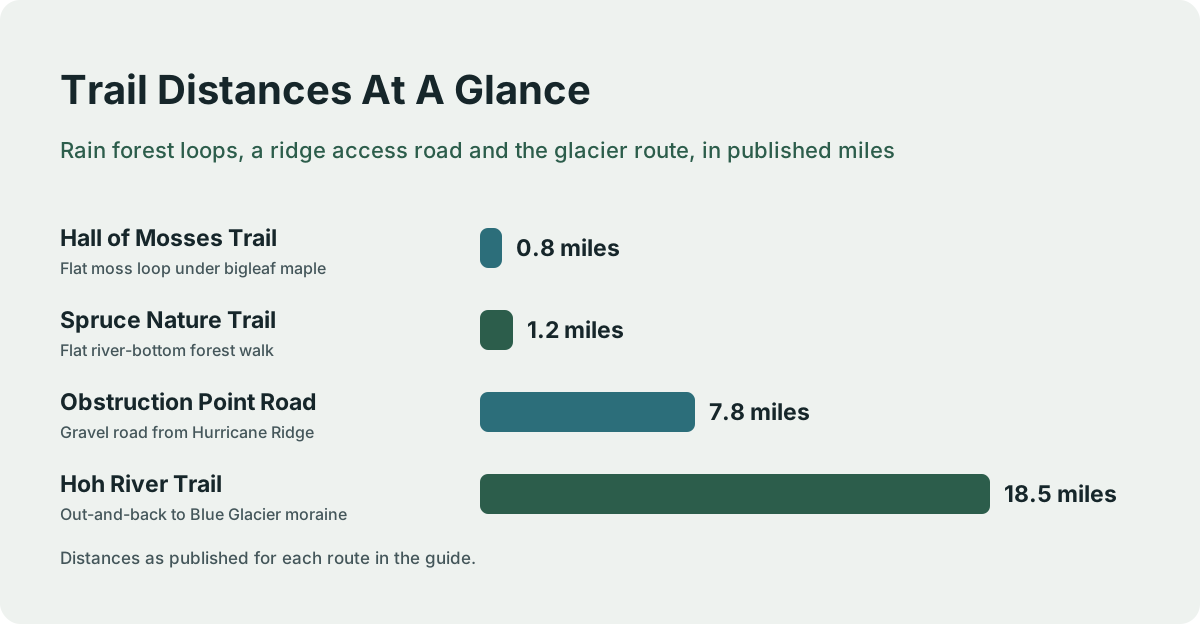
The Hoh offers three walks at three scales: the 0.8-mile Hall of Mosses loop for the classic moss-draped scene, the 1.2-mile Spruce Nature Trail for a quieter river-bottom version, and the Hoh River Trail, an out-and-back of up to 18.5 miles ending at the Blue Glacier moraine for hikers with a full day or an overnight permit. The two short loops suit nearly everyone.
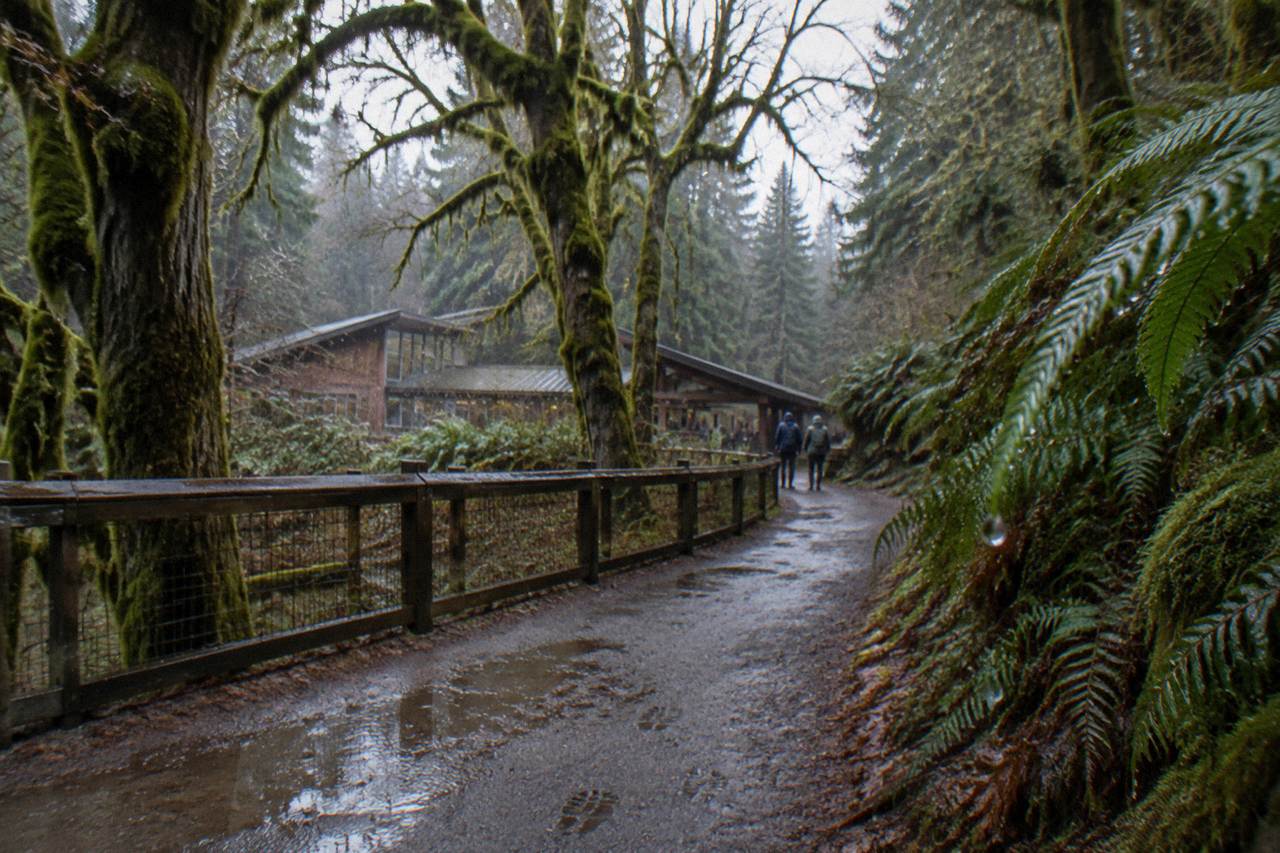
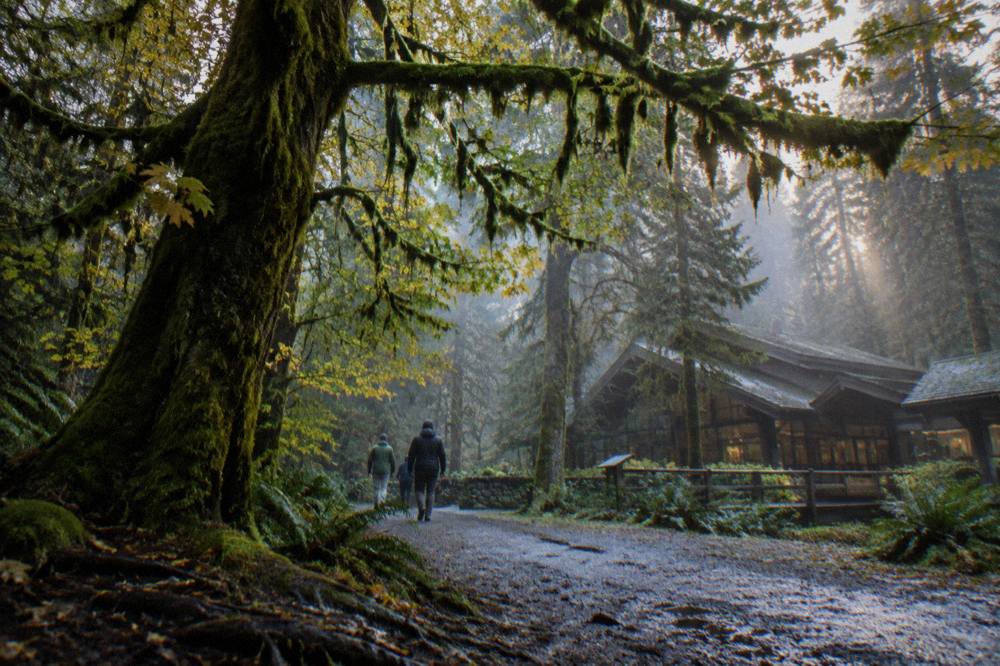
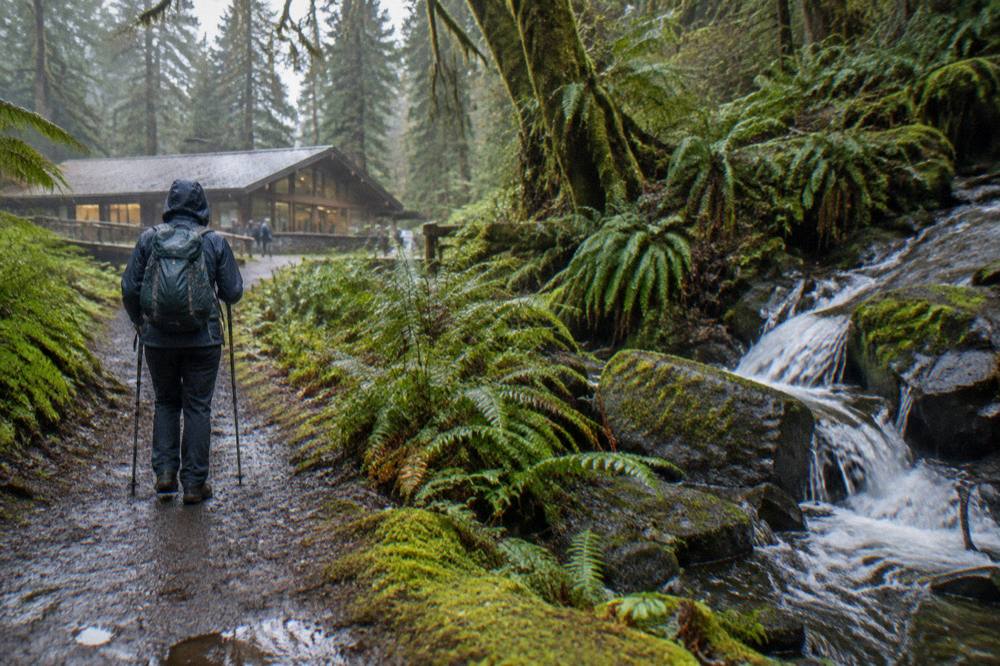
The Hall of Mosses Trail is the image most visitors carry of Olympic National Park before they arrive: bigleaf maples wrapped in club moss, nurse logs sprouting hemlock seedlings, and a canopy so dense the light turns green. The Spruce Nature Trail runs flatter and closer to the Hoh River, and it tends to carry fewer people per yard. Both start near the visitor center, which is open daily in summer, closed January through early March, and generally Friday to Sunday in spring and fall, per the park's schedule. Pets are not allowed on trails in the Hoh, a rule worth knowing before you load the dog.
The Hoh River Trail is a different animal. The park publishes its out-and-back length to the Blue Glacier moraine as 18.5 miles, and most hikers treat it as an overnight: the trail runs up the glacial valley through old-growth spruce and ends in rock and ice. Overnight use requires a wilderness permit, booked on Recreation.gov, and the park's Hoh Rain Forest page carries the current trail and facility notes. Rain shapes everything here: the valley averages 140 inches of precipitation a year, so waterproof layers matter even on a cloudless July morning.
Timing matters more in the Hoh than anywhere else in the park. The entrance station reports lengthy delays with metering when the parking fills, and the lots can reach capacity by 10 a.m. in summer. Arriving early is not advice so much as arithmetic. Visitors who want the rain forest without the driving load can look at the Hoh Rainforest tour guide or the Olympic rainforest and coast tours hub, where the Hoh And Rialto From Port Angeles trip, from $195 per person and rated 5.0 across 172 reviews, is the west-side anchor. One caution on that product: the listing names Rialto Beach, but Mora Road to Rialto is closed to traffic during flood-damage repairs, so confirm the operator's current route on the listing before booking. Highway 101 is also closed at the Hoh River Bridge overnight, 7 p.m. to 5:30 a.m. each night October 13 to 19, with no detour across the river; the Hoh Rain Forest stays reachable from Forks.
What Are The Best Sol Duc And Lake Crescent Hikes?
At Sol Duc, the signature walk is the falls overlook, about a mile from the parking lot through old forest to a falls that splits into three channels; at Lake Crescent, Marymere Falls via the Barnes Creek trail and the paved Spruce Railroad Trail on the north shore are the two to build a day around. All three are gentle, well-graded walks that reward an hour or two rather than a full day.
The Sol Duc Falls overlook walk is the park's best effort-to-reward ratio. The trail climbs almost imperceptibly through hemlock and Douglas fir, crosses a plank bridge, and ends at a stone viewpoint over the falls, where the river divides around a rock fin and drops in three ribbons. Farther up the same valley, the High Divide Loop through Seven Lakes Basin is the park's classic 2 to 3 day hike, a ridge-top circuit with elk meadows and basin lakes; it needs a summer permit, and the quota area is one of the first to sell out when permits release April 15 at 7 a.m. Pacific on Recreation.gov. The Salmon Cascades overlook, about 5 miles down Sol Duc Road, is a popular stop in late October and early November for leaping coho.
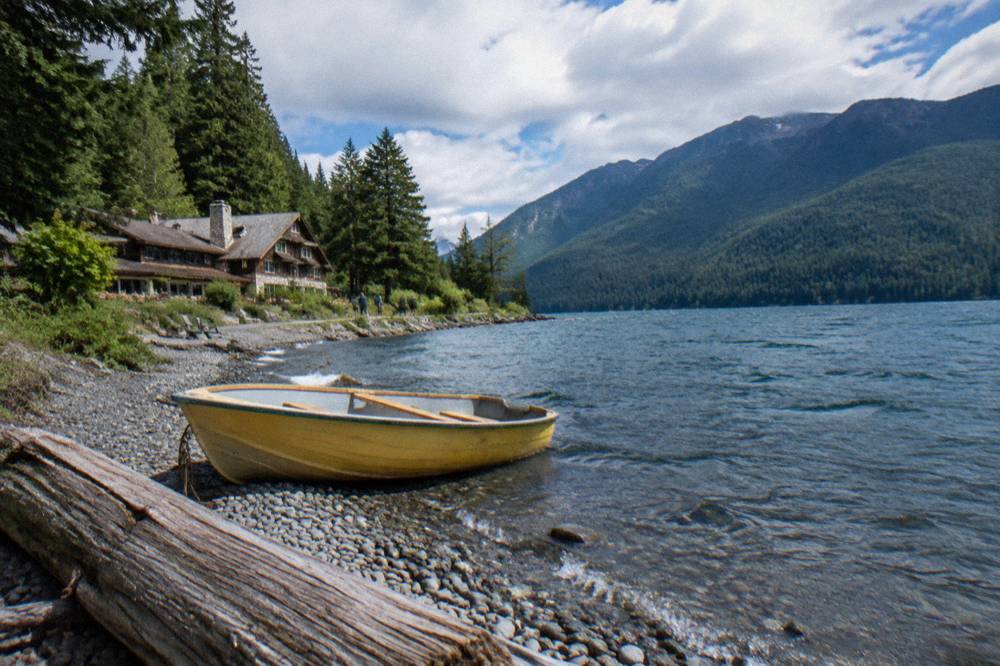
Lake Crescent's pair splits neatly by mood. Marymere Falls is the forest walk: a gentle trail under mossy maples to a 90-foot cascade, reached via the Barnes Creek trail from near the Storm King Ranger Station area. The Spruce Railroad Trail is the open-water walk: a paved section along the north shore, part of the Olympic Discovery Trail, flat enough for strollers and bikes, passing two restored tunnels with lake views throughout. Rowboat rentals at Lake Crescent Lodge round out a water-side day, and the lodge and Log Cabin Resort generally open from late spring until early fall.
Guided coverage of this pair is strong. The Sol Duc, Lake Crescent And Ridge Day from Port Angeles, from $195 per person and rated 5.0 across 83 reviews, strings the falls walk, the lake and Hurricane Ridge into one nine-hour day, and a guest review from Ramya_V calls out the ridge views and the guide by name. The Lake Crescent Half-Day Tour, from $110 per person, suits travelers with a spare morning. For the difference between covering these trails yourself and letting an operator drive, the Olympic National Park tour vs driving yourself comparison is the honest breakdown.
Which Hurricane Ridge Hikes Are Worth The Drive?
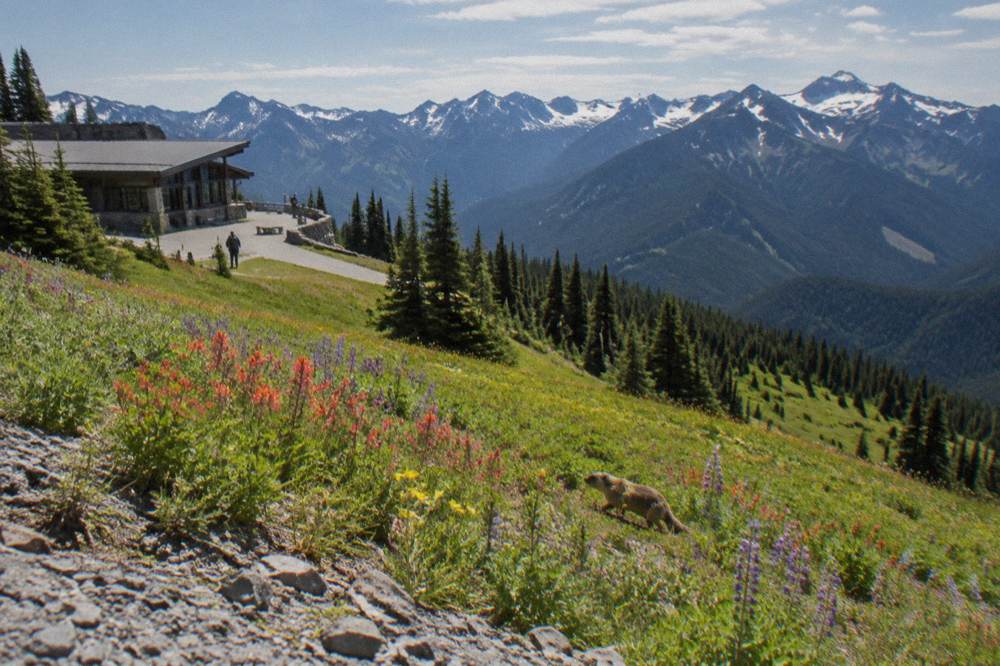
Hurricane Ridge rewards the drive itself: the road climbs 17 miles from Port Angeles to an elevation of 5,242 feet, and the walks from the top, across subalpine meadow and open ridgeline, deliver the park's widest mountain panoramas. Obstruction Point Road, 7.8 miles of gravel from the ridge, extends the hiking season's reach from mid-June through October 15, weather and snow permitting.
The ridge-top walks are less about distance and more about what the air is doing. On a clear day the view spans the Olympic range to the south and the Strait of Juan de Fuca to the north; on a gray day, the meadows and marmots still deliver. The park publishes no single canonical ridge loop length in the materials used here, so treat route selection on the spot: paved and gravel paths radiate from the visitor area, and the Hurricane Hill road, not suitable for RVs or trailers, adds a steeper option. Wildflowers run in the subalpine meadows from early or mid-July through September in some areas, per the park's seasonal notes.
Winter changes the ridge completely. Hurricane Ridge Road is scheduled open Friday through Sunday and holiday Mondays in winter, weather permitting, uphill traffic 9 a.m. to 4 p.m., with all vehicles below the Heart O' the Hills entrance station by 5 p.m., and closed on Christmas Day. Tire chains must be carried above the entrance station from November 1 through April 1, for all vehicles including four-wheel drive. The ridge records 30 to 35 feet of snow a year, and snow can appear in the high country as early as late September. There is no reservation or timed-entry system for ridge access; parking is first-come, first-served, and the park's Hurricane Ridge page plus the road and weather recording at 360-565-3131 carry live status.
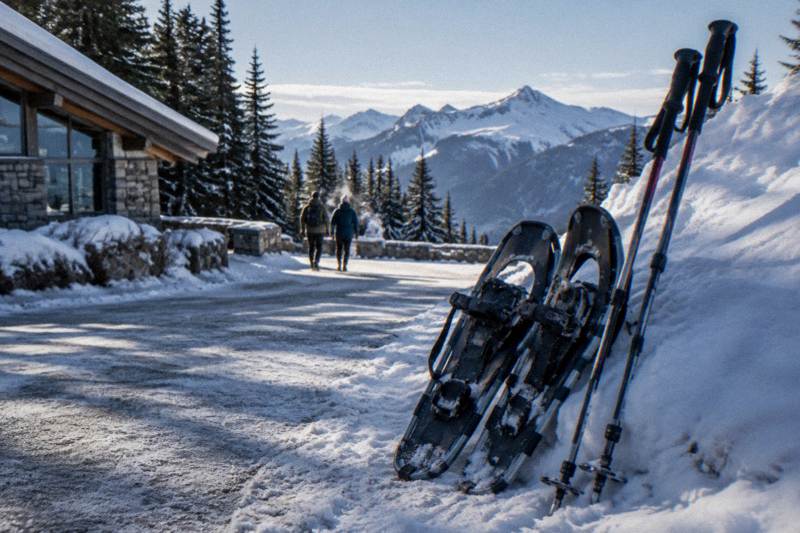
For hikers, winter is not a shutdown but a swap: several guided products switch to snowshoe treks, including the Small-Group Hike Or Snowshoe Day from Seattle, from $348 per person, rated 4.9 across 145 reviews, whose listing describes guided hikes or snowshoe treks tailored to the group. A guest review from Daniel notes the tour covered the ferry both ways, snacks, lunch by a lake, and that not having to drive was a great benefit. The Seattle-departure tours run 10 to 13 hours and cover a selection of stops, not the whole park, which the Olympic National Park day trip from Seattle guide unpacks in detail.
Which Coastal Hikes And Beach Walks Are Best?
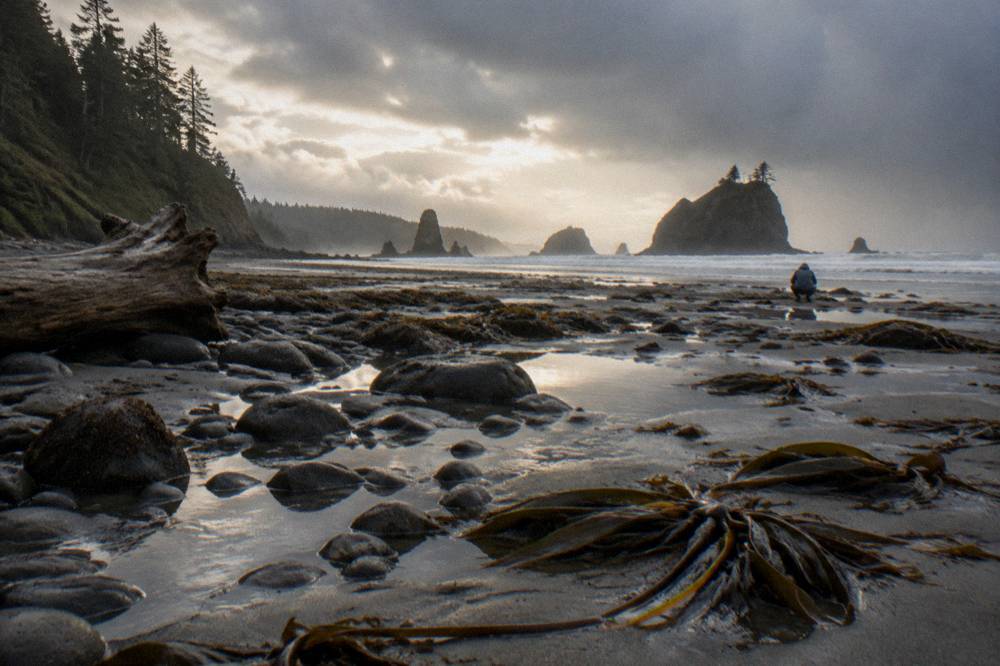
The coastal walks to rely on are Ruby Beach and the Kalaloch beaches, including Beach 4, all directly off Highway 101 on the southwest coast: tide pools, sea stacks and driftwood stacks, with no long approach hike. The classic arch destination, Hole-in-the-Wall at Rialto Beach, about 1.5 miles north of the Rialto trailhead, is unreachable while Mora Road is closed to all traffic at the campground during flood-damage repairs.
Beach walking in Olympic National Park is tide reading before it is hiking. The park's guidance is plain: the best tidepooling happens at tides lower than 1 foot, a minus tide, and Beach 4 at Kalaloch and Hole-in-the-Wall are the most popular tidepool spots. Watch for sneaker waves, keep children close, and wear sturdy shoes on algae-slick rock. The Hoh Rain Forest is about 45 minutes north of Kalaloch, so a rain-forest morning and a coast afternoon pair naturally, and the park's tidepool page plus the Destruction Island tide charts carry the numbers.
The Mora Road closure reshapes west-side planning. Rialto Beach is not accessible via Mora Road, and the closure covers all traffic at the campground, though Mora Campground itself is open. Operators adjust: the Forks Small-Group Hike, from $396 per person for 6 to 8 hours out of Forks, lists Quinault Lodge, the rain forest and Ruby Beach among its stops, and a guest review from Curtis_F praises the route and the guide's handling of a vegan lunch. Its listing covers snacks, beverages, park entry fees and a medically trained naturalist guide; lunch is not included, so pack your own. The Rialto Tide Pooling Hike listing, from $315 per group, also names Rialto, so the same confirmation rule applies: check the operator's current route on the listing before booking, since the beach itself is unreachable by road during the repairs.
How Hard Are Olympic National Park Hikes, Really?
Most of the park's signature walks are genuinely easy: the Hoh loops, the Sol Duc falls overlook and Marymere Falls are flat, short and well-graded, suitable for casual walkers and children. The step-ups are length rather than terrain, the Hoh River Trail to 18.5 miles and the High Divide Loop over 2 to 3 days, plus the tide-dependent coast, where the hazard is the water table, not the trail.
Difficulty in Olympic National Park is mostly a scheduling problem. The short trails are forgiving; the long ones are long. What catches visitors off guard is the third variable: weather. Annual precipitation runs 100 to 170 inches on the coast and western valleys, while Port Angeles, the park's headquarters city, averages 25 to 30 inches, so the same day can be a downpour in the rain forest and a dry ridge walk 40 miles east. The park's weather page is the source to check the night before any long hike.
| Trail or area | Published distance | Effort | Time to allow | Best hour |
|---|---|---|---|---|
| Hall of Mosses Trail | 0.8 miles | Easy | 30 to 45 minutes | Before 10 a.m. |
| Spruce Nature Trail | 1.2 miles | Easy | 45 minutes to 1 hour | Before 10 a.m. |
| Sol Duc Falls overlook | About a mile | Easy | 1 hour | Morning or late afternoon |
| Marymere Falls | Via Barnes Creek trail | Easy | 1 to 2 hours | Mid-morning |
| Spruce Railroad Trail | Paved north-shore section | Easy | 1 to 3 hours | Any daylight hour |
| Hoh River Trail | 18.5 miles out-and-back | Strenuous | Full day or overnight | Dawn start |
| High Divide Loop | 2 to 3 day hike | Strenuous | 2 to 3 days | Permit-dependent |
| Ruby Beach and Beach 4 | Beach walks | Easy, tide-aware | 1 to 2 hours | Minus tide |
The best-hour column deserves a word of explanation. In the Hoh it is a parking problem: the lots meter and fill by mid-morning in summer. On the coast it is a tide problem: a minus tide opens the pools and the arch approaches, and a rising tide closes them. At Hurricane Ridge it is a cloud problem: mornings are more often clear, and afternoon cloud can swallow the panorama entirely. None of these need a guide to solve, but all three need a plan, which is the quiet argument for the guided format.
When Is The Best Time Of Year To Hike In Olympic National Park?
July and August are the park's most popular months, with roughly 2 inches of rain each and highs around 71 to 72 degrees in the lowlands, and they are the only dependable window for the high-country walks. September is the park's quiet compromise: lighter crowds, still-good weather, and the first possibility of snow at elevation by late in the month. Winter belongs to the rain forest and the snowshoe set.
The seasonal logic is upside-down from most parks. The coast and rain forest are hikeable year-round, since rain is their normal state, and the Hoh visitor center keeps a reduced Friday-to-Sunday schedule in spring and fall. The mountains are the constraint: Hurricane Ridge Road's winter schedule runs Friday through Sunday plus holiday Mondays, and Obstruction Point Road only opens from mid-June through October 15. The full breakdown, including month-by-month trade-offs, lives in the best time to visit Olympic National Park guide.
Permit timing drives the shoulder seasons too. Summer-season wilderness permits, May 15 to October 15, release April 15 at 7 a.m. Pacific, and the quota areas, Sol Duc and Seven Lakes Basin, Grand Valley, Royal Lake and the Ozette coast, sell out fast. Hikers who miss the April release often shift to September, when cancellations reappear and the crowds thin. The 4-Day Seven Lakes Basin Trek, from $2,000 per person, is the roster's guided version of the classic basin circuit, with permits and campsites handled by the operator; the 5-Day Hoh And Blue Glacier Trek, from $2,400 per person, covers the long Hoh valley the same way.
Do You Need A Permit Or Reservation To Hike?
For day hiking, no: no reservation or timed-entry system exists for trailheads, and parking is first-come, first-served. Overnight backpacking is different: a wilderness permit is required year-round, costing $8 per person per night plus a $6 per permit reservation fee, with group size capped at 12 in most places and youth 15 and under free but counted toward the group.
The permit system is the park's crowd valve, and it works through the park's wilderness reservations page and Recreation.gov. The Wilderness Information Center in Port Angeles, 360-565-3100, answers route questions before you commit. Bear canisters are required for all overnight wilderness stays, and food, trash and scented items must be secured around the clock parkwide, in hard-sided vehicles, park lockers or approved containers, since bears are active year-round. Black bears are the only bear species here; the park's species pages are plain that grizzly bears did not occur on the Olympic Peninsula.
Day hikers pay the entrance fee instead: $30 per private vehicle for 7 consecutive days, $25 per motorcycle, or $15 per person on foot or by bicycle for ages 16 and up, with 15 and under free. The park does not accept cash, and pre-paying entry on Recreation.gov cuts entrance-station waits. The 2026 fee-free days, February 16, May 25, June 14, July 3 to 5, August 25, September 17, October 27 and November 11, waive the entrance fee for US citizens and residents. The full fee and pass breakdown, including the $55 Olympic Annual Pass and the commercial-tour fee structure, is in the Olympic National Park entrance fee and passes guide.
Should You Hike Alone Or Book A Guided Hike?
A guided hike makes sense when the day involves a ferry, a long drive or a tide: the Small-Group Hike Or Snowshoe Day from Seattle, from $348 per person, and the Forks Small-Group Hike from Forks, from $396 per person, both fold transport, park entry and a naturalist guide into one price. Solo hiking suits the short, signed trails, where the only real planning is an early start and a tide chart.
The honest division is workload. A Seattle hiker driving to the Hoh faces a ferry crossing of about 35 minutes, a long peninsula drive, entrance metering and a parking scramble, all before the first trail step. Guided products absorb that stack: the Small-Group Hike Or Snowshoe Day runs 12 hours with hotel or listed pickup, and its listing includes the park entrance fee, lunch, snacks and the snowshoe option in winter. The All-Inclusive Naturalist Day Tour, from $368 per person and rated 4.9 across 1,067 reviews, is the roster's most-reviewed product, with a guest review from Ruth_M praising a lifetime-local guide's knowledge of the forest and its mushrooms. The Rainforest And Beach Highlights tour, from $285 per person and rated 4.8 across 134 reviews, pairs rain forest and coast stops in one long day.
| Guided hike | Departs from | From price | Duration | Rating and reviews |
|---|---|---|---|---|
| Small-Group Hike Or Snowshoe Day | Seattle | $348 per person | 12 hours | 4.9 across 145 reviews |
| Forks Small-Group Hike | Forks | $396 per person | 6 to 8 hours | 4.5 across 11 reviews |
| Maiden Peak Private Hike | See listing | $360 per group | 6 to 8 hours | No reviews yet |
| Sol Duc, Lake Crescent And Ridge Day | Port Angeles | $195 per person | 9 hours | 5.0 across 83 reviews |
| All-Inclusive Naturalist Day Tour | Seattle | $368 per person | 12 hours | 4.9 across 1,067 reviews |
| Rainforest And Beach Highlights | Seattle | $285 per person | 12 hours 30 minutes | 4.8 across 134 reviews |
Private formats cover the other end of the spectrum. The Maiden Peak Private Hike, from $360 per group for 6 to 8 hours, is a fully private guided hike whose listing notes that profits support youth scholarships for outdoor adventures; the Two-Day Private Tour And Hike, from $1,705 per group, adds accommodations and two lunches for a slower loop of the park. Neither has the review pool to support a rating claim, so judge them on the itinerary. The private tours of Olympic National Park guide compares the private formats in full.
Self-guided hikers are not abandoned to guesswork. The Self-Guided Audio Driving Tour, from $17 per group, runs 5 to 6 hours from Port Angeles through a phone app with offline GPS audio stories, and it suits travelers who want their own car but a narrator. Whatever the format, the underlying rule of this site's coverage holds: pick the trail by area and hour first, then decide who drives. Olympic National Park Tours exists to make that second decision easier.
Common Questions About Hiking In Olympic National Park
What Is The Easiest Signature Hike In Olympic National Park?
The Hall of Mosses Trail in the Hoh Rain Forest, 0.8 miles and flat, is the park's easiest signature walk. The Spruce Nature Trail at 1.2 miles and the Sol Duc Falls overlook walk of about a mile are equally gentle alternatives in different areas.
Can You Hike To A Glacier In Olympic National Park?
Yes. The Hoh River Trail runs 18.5 miles out-and-back to the Blue Glacier moraine, and most hikers do it as an overnight with a wilderness permit. The guided 5-Day Hoh And Blue Glacier Trek, from $2,400 per person, covers the same valley with permits, campsites and meals handled.
Do You Need A Permit For A Day Hike In Olympic National Park?
No permit is needed for day hiking. You pay the entrance fee, $30 per private vehicle for 7 days or $15 per person on foot, and trailhead parking is first-come, first-served. Overnight backpacking requires a wilderness permit year-round.
Is The Hoh Rain Forest Hard To Get To?
The Hoh sits about a two-hour drive from Port Angeles and under an hour from Forks, via Upper Hoh Road off Highway 101. The entrance station meters traffic when parking fills, and lots can reach capacity by 10 a.m. in summer, so an early start matters.
Which Hikes Are Best With Kids?
The Hall of Mosses and Spruce Nature loops in the Hoh, the Sol Duc Falls overlook walk, Marymere Falls and the paved Spruce Railroad Trail at Lake Crescent are all short, flat and forgiving. Children 15 and under enter the park free on foot.
Are The Coastal Hikes Safe At Any Tide?
No. Tide awareness is mandatory on the coast: the best tidepooling is at tides lower than 1 foot, and high tides can strand walkers against the bluffs. Check the Destruction Island tide charts, watch for sneaker waves, and note that Rialto Beach is unreachable while Mora Road is closed for flood repairs.