Best Time To Visit Olympic National Park: Month-By-Month Conditions For Tours
The park publishes the patterns that decide your trip: 30 to 35 feet of snow a year on Hurricane Ridge, 101.32 inches of rain in Forks, and a summer season that runs June through September. Here is what each month means for roads, trails and tours.
Short answer
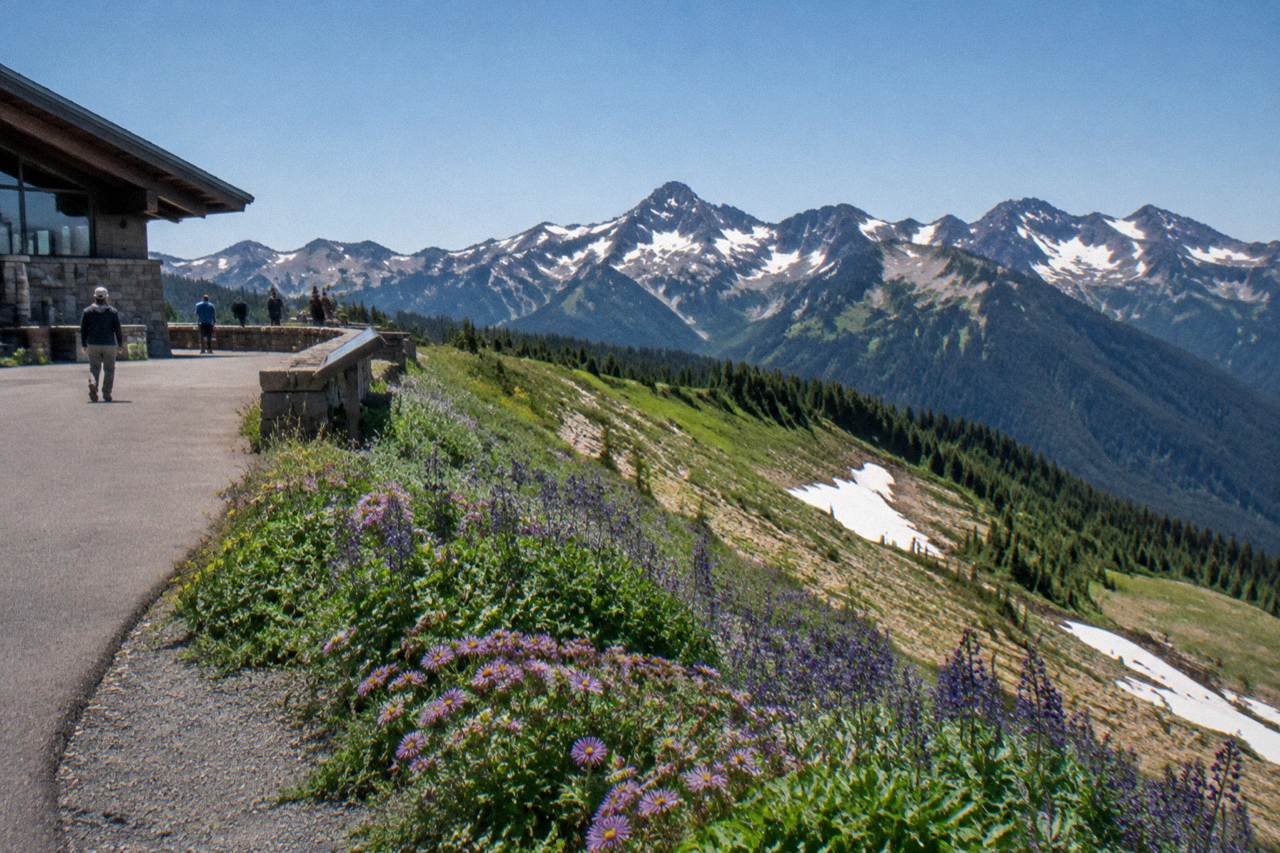
July and August are the most popular months, with the driest weather, every road open and all tour formats running. June through September is the park's stated peak season. Hurricane Ridge collects 30 to 35 feet of snow a year and runs a limited winter schedule, while Forks averages 101.32 inches of rain annually.
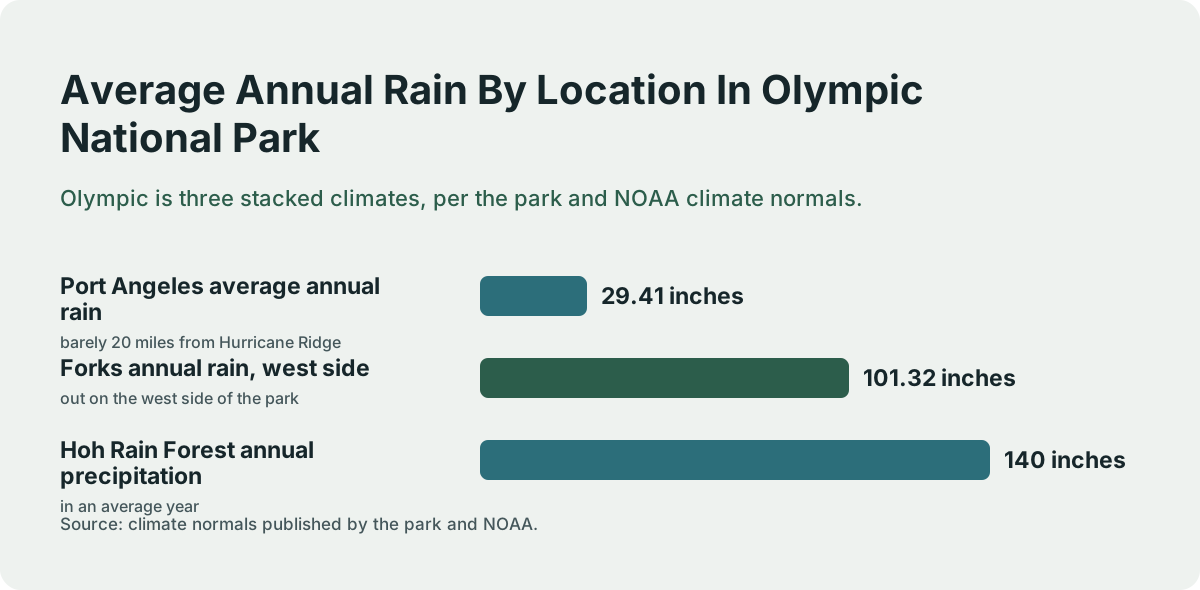
Hurricane Ridge records 30 to 35 feet of snow in a single year, while Port Angeles, barely 20 miles away, averages just 29.41 inches of rain. Forks, out on the west side, takes 101.32 inches. That spread, published by the park and the NOAA climate normals, is the single fact that should shape any timing decision: Olympic National Park is not one destination with one season, it is three stacked climates where the same date can mean wildflowers on a subalpine ridge, mud in a rainforest and fog on a wilderness beach.
The park states plainly that June through September are its most popular months, and that from October through May some roads, campgrounds and visitor facilities close or reduce hours. The month-by-month picture below draws on the park's own weather, hours and road data, and it pairs each season with the guided products that actually operate in it, from Seattle ferry day trips to winter snowshoe hikes, because a month choice is really a choice about which tours can run at all.
What Is The Best Time To Visit Olympic National Park?
For full access to every ecosystem, the best window is early July through mid-September: Hurricane Ridge Road is open daily, Obstruction Point Road opens from mid-June through October 15, the Hoh Rain Forest visitor center is open daily in summer, and every tour format on the roster operates. September is the strongest shoulder-month pick, with lighter crowds after the summer peak and most facilities still running.
The trade-off is straightforward. Peak months mean the widest access and the fullest tour calendar, but they also mean the park's published crowding: Hoh Rain Forest parking lots can reach capacity by 10 AM in summer, with traffic metered at the entrance station. A visitor who books a guided tour sidesteps much of that friction, since van tours arrive with a plan and the operator handles the entrance fee and timing.
The other end of the calendar has real appeal if you know what you are buying. Winter visits center on Hurricane Ridge snowshoeing, with the road scheduled open Friday through Sunday and holiday Mondays only. The All-Inclusive Naturalist Day Tour, from $368 per person and rated 4.9 across 1,067 reviews, runs guided hikes in summer and snowshoe treks in winter, so the same product serves both ends of the year. The Small-Group Ferry Day Tour, from $188 per person, also swaps hiking for snowshoeing depending on the season, per its listing.
For readers weighing timing against budget, the entrance fee and pass guide covers the $30 private vehicle fee and the 2026 fee-free days, which fall on February 16, May 25, June 14, July 3-5, August 25, September 17, October 27 and November 11.
When Is Peak Season In Olympic National Park?
Peak season runs June through September, with July and August the busiest months and the driest weather in the west-side valleys. All entrance roads and developed areas are typically open, tour listings run their fullest schedules, and the park itself reports hosting over 3 million visits a year, heavily concentrated in these months.
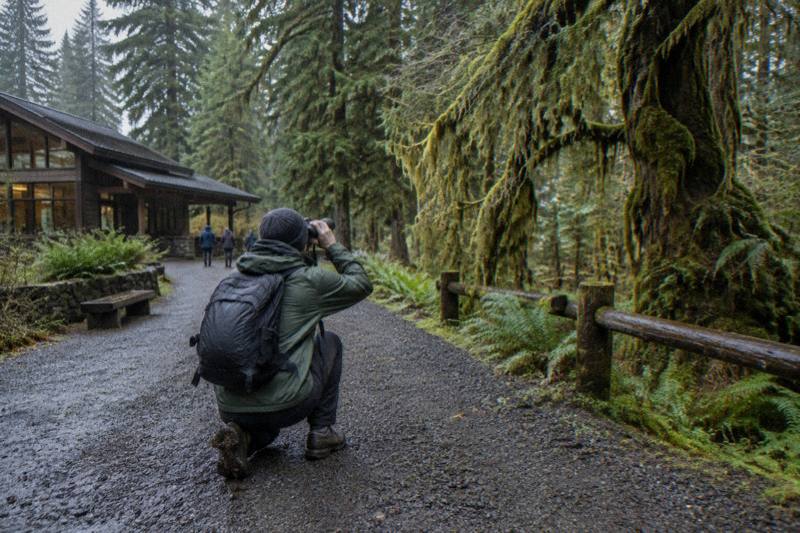
Summer is when the park's three zones are accessible at once. The high country around Hurricane Ridge clears of snow, the rainforest trails at the Hoh are at their most walkable, and the coastal beaches, Ruby Beach and Kalaloch directly off Highway 101, are reachable without tide gymnastics. Snow can still appear in the high country as early as late September, which is why the park draws its summer line where it does.
The Hoh Rain Forest entrance station experiences lengthy delays between 7:30 AM and 5 PM in summer, with waits of one to three hours possible once parking fills and traffic is metered. That fact alone argues for either arriving very early or, more comfortably, riding a van tour. The Rainforest And Beach Highlights tour from Seattle, from $285 per person and rated 4.8 across 134 reviews, includes snacks and drinks; lunch is not provided and covers the rainforest and coastal stops in one long day, 12 hours 30 minutes door to door on the listing.
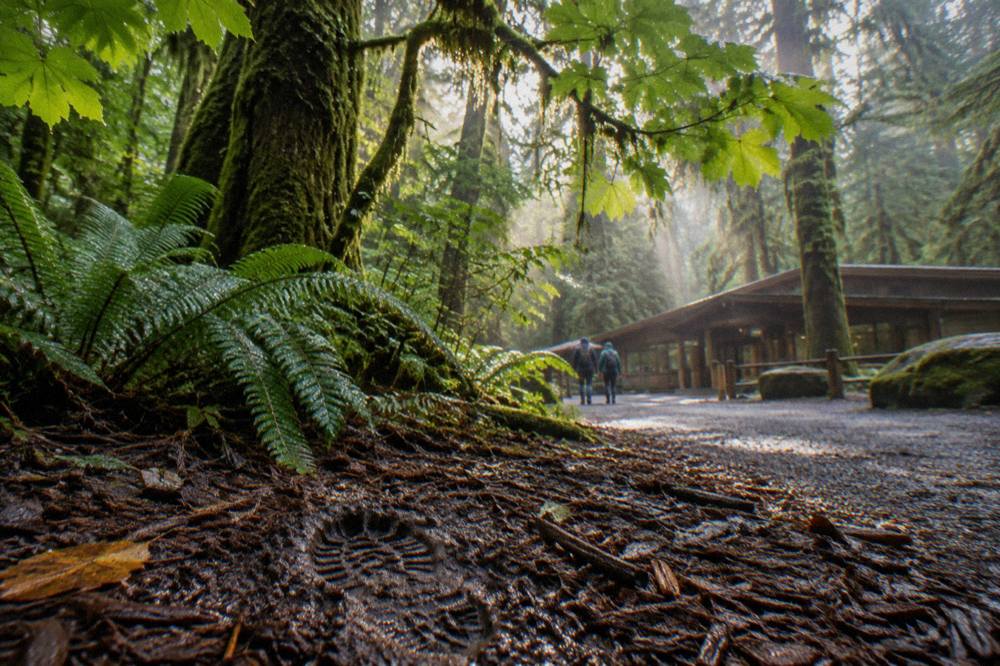
Guests on that rainforest itinerary consistently report the same pattern. Daisy_C writes: "Great trip and our tour guide Johnny was excellent. He bought us to several rainforests and beaches." A review from Ruth_M on the naturalist tour adds: "Marty was a wealth of information about the forest, especially the mushrooms." Those experiences are summer and shoulder-season products; the same terrain in January is a different, wetter proposition.
For readers comparing a guided day against driving the loop independently, the tour versus driving yourself comparison breaks down the costs and trade-offs month by month.
What Are Winter Conditions Like At Hurricane Ridge?
Hurricane Ridge Road is scheduled open Friday through Sunday and holiday Mondays in winter, weather permitting, with uphill traffic allowed 9 AM to 4 PM and all vehicles required to be below the Heart O' the Hills entrance station by 5 PM. The road is closed on Christmas Day, and all vehicles, including 4-wheel drive, must carry tire chains from November 1 through April 1.
Winter at the ridge is a real snow destination, not a token one. The park records 30 to 35 feet of snow a year at elevation, and cross-country skiing and snowshoeing are available on 15 to 20 miles of routes, with no groomed or marked trails beyond unplowed roads. Avalanche conditions must be checked before any backcountry travel. The Hurricane Ridge Day Lodge was lost to a fire and temporary trailers now provide restrooms and an intermittently staffed contact station, so visitors should not expect food service, potable water or gear rentals at the top.
The Hurricane Ridge Winter Sports Club operates a small ski and snowshoe area with two rope tows, a Poma lift and a tubing park on weekends and holiday Mondays through March. There is no reservation or timed-entry system for Hurricane Ridge; parking is first-come, first-served, which in practice fills on winter weekends.
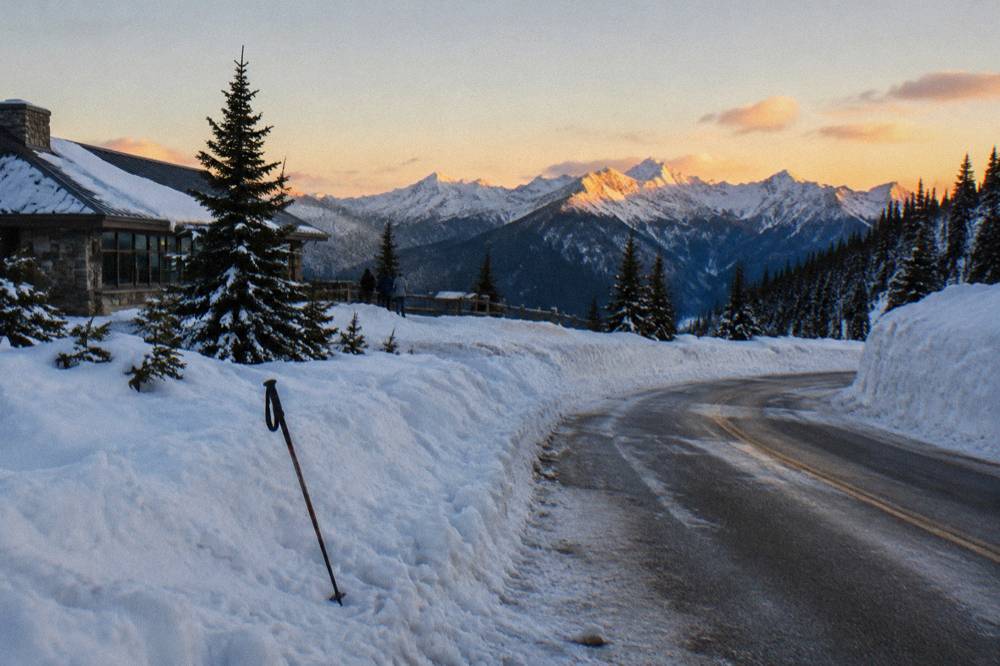
This is the season where guided products genuinely change shape. The Small-Group Hike Or Snowshoe Day, from $348 per person and rated 4.9 across 145 reviews, swaps its summer hike itinerary for snowshoe trekking, and Daniel's review captures the value: "The tour was more expensive than we would normally choose, but it ended up being well worth the cost. It covered the ferry (over and back), snacks, lunch by a beautiful lake, and much more." Readers can also book a licensed guide like the Small-Group Hike Or Snowshoe Day and check availability for winter dates.
For road status before any winter drive, the park publishes current conditions and operates a road and weather recording at 360-565-3131. Live status belongs there, not in any article, because a winter road report changes by the hour.
When Does The Hoh Rain Forest Season Run?
The Hoh Rain Forest is open year-round, but its visitor center closes January through early March and generally runs Friday to Sunday in spring and fall, with daily summer hours. The Hoh campground, 72 sites, stays open year-round and is reservable up to six months ahead, and the Upper Hoh Road, 18 miles from Highway 101, is the only access.
The Hoh receives 140 inches of precipitation in an average year, which is the number that should calibrate expectations. Winter visits are possible and often atmospheric, moss at full saturation, the Hoh River running high, but they demand waterproof everything and acceptance that the visitor center may be shuttered. Pets are not allowed on trails in the Hoh in any season.
Two trails define a short visit: the Hall of Mosses Trail at 0.8 miles and the Spruce Nature Trail at 1.2 miles, both manageable for most visitors. The Hoh River Trail runs out-and-back to 18.5 miles, ending at the Blue Glacier moraine, and is the corridor that feeds the multi-day trekking products, including the 5-Day Hoh And Blue Glacier Trek from $2,400 per person.
Access has one complication worth stating plainly. Highway 101 is closed at the Hoh River Bridge, with overnight closures 7 p.m. to 5:30 a.m. each night October 13 to 19, and no detour across the river; alternate routes around the east side add at least four hours. The Hoh Rain Forest stays reachable from Forks, which is the practical base. Visitors driving themselves should confirm routing with the park's road conditions page before setting out.
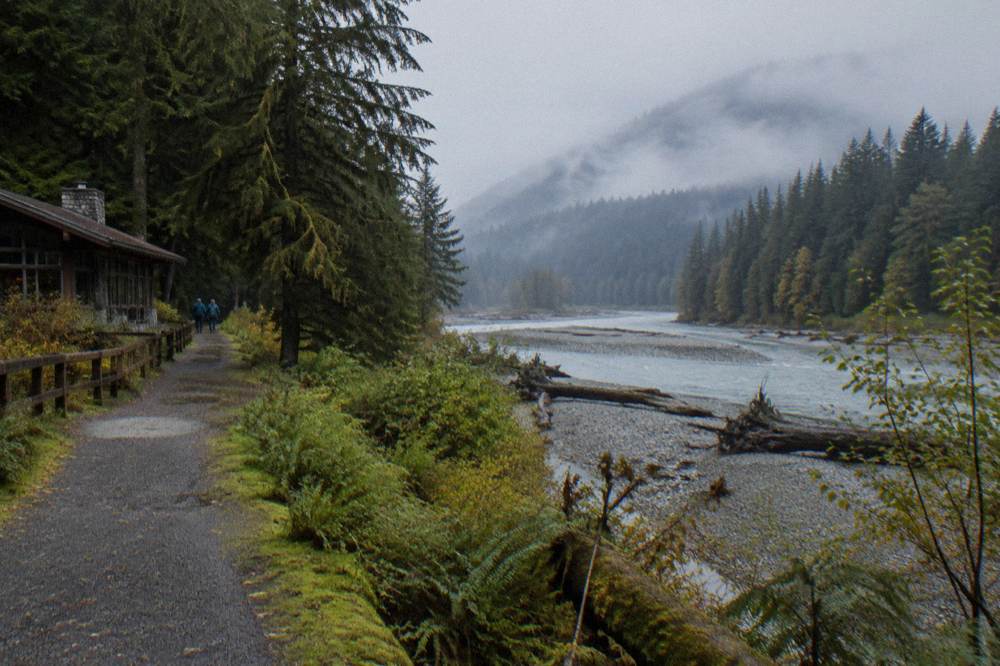
Guided rainforest products mostly run from Port Angeles or Forks rather than Seattle in the quieter months. The Hoh And Rialto From Port Angeles tour, from $195 per person and rated 5.0 across 172 reviews, is a 9-hour small-van day. Its listing names Rialto Beach, and Mora Road to Rialto is closed to all traffic at the campground during repairs of severe winter flood damage, so anyone considering it must confirm the operator's current route on the listing before booking. Patricia_S's review reflects the core experience: "Great day experiencing the beautiful rainforest. The walk was easy and can be experienced by almost anyone."
What Is The Olympic Coast Like Month To Month?
Kalaloch and Ruby Beach sit directly off Highway 101 and remain accessible year-round, with conditions governed by tides rather than seasons. Best tidepooling happens at tides lower than 1 foot, the park warns of sneaker waves at all times, and the reliable coastal stops for tour planning are Ruby Beach, Kalaloch and Beach 4, all on the highway.
Rialto Beach deserves a plain statement: Mora Road is closed to all traffic at the campground and Rialto Beach is not accessible via Mora Road during flood-damage repairs, so no itinerary in this article promises it. Beach 4 at Kalaloch and the coast along Highway 101 are the dependable substitutes, and they are what most guided coastal itineraries actually use.
The seasonal logic on the coast is weather and daylight. Summer brings the lowest combined rainfall of the year and the longest days for beach walks and tidepool sessions. Fall and winter bring storm-watching conditions, big surf and the salmon runs inland at the Sol Duc, but also the risk that a high tide makes a planned beach stop impractical. Any coastal day, in any month, starts with a tide chart; the park points to Destruction Island Tides.
| Month | High Country (Hurricane Ridge) | West Side (Hoh, Forks) | Coast (Ruby, Kalaloch) | Guided Tour Picture |
|---|---|---|---|---|
| January | Winter schedule, Fri-Sun only, chains required | Wettest period, visitor center closed | Storm surf, high tides | Snowshoe tours from Seattle; snowshoe walks at the ridge |
| February | Same winter schedule, chains required | Very wet, quiet trails | Storm surf | Snowshoe tours; fee-free day Feb 16 |
| March | Late-winter schedule, snow persists | Visitor center reopens early March | Mixed, improving | Sol Duc Hot Springs Resort opens late March |
| April | Road may open or close depending on conditions | Spring green, Fri-Sun visitor center | Showers between clear spells | Full tour calendar returns; fee-free May 25 follows |
| May | Snowpack receding at elevation | Green, moderately wet | Wilder surf | Summer season starting; rainforest and beach tours |
| June | Road open daily; Obstruction Point from mid-June | Peak green, busiest starts | Long daylight | Full tour calendar; fee-free June 14 and July 3-5 |
| July | Full access, wildflowers | Driest month of the west-side year | Best tidepool weather | Every tour format running, book ahead |
| August | Full access, warmest days | Dry by local standards, busy | Busy beaches | Peak capacity on ferry day tours |
| September | Snow can appear in the high country from late September | Quieter, first rains possible | Calmer tides | Shoulder-season value; fee-free Sept 17 |
| October | Obstruction Point Road closes after October 15 | Wet season returns, salmon at Sol Duc | Storms begin | Fall tours; fee-free Oct 27 |
| November | Winter schedule resumes, chains from Nov 1 | Very wet | Storm watching | Snowshoe products; fee-free Nov 11 |
| December | Fri-Sun schedule, closed Christmas Day | Wettest month, dark forest | Highest tides | Snowshoe tours and ranger-led walks |
The table's column logic matters more than any single cell: the three zones rarely line up. A perfect beach week can coincide with a closed ridge road, and a snow week at elevation can coexist with a calm, bright morning at Kalaloch.
Which Tours Run In Which Season?
Summer runs the full roster: Seattle ferry day trips, Port Angeles van tours, Forks-based hikes and the multi-day treks. Winter narrows the calendar to snowshoe-adapted Seattle day tours and private departures. Spring and fall sit between, with most Port Angeles and Forks products operating on demand and the longer backpacking treks concentrated in the July-through-September permit window.
The permit system is the hidden calendar for the trekking products. Summer-season wilderness permits, May 15 to October 15, release on April 15 at 7:00 AM Pacific on Recreation.gov, and quota areas include Sol Duc, Seven Lakes Basin, Grand Valley, Royal Lake and the Ozette coast. The 4-Day Seven Lakes Basin Trek from $2,000 per person and the 4-Day North Coast Backpacking trip at the same price both live inside that quota machinery, which is why guided operators, who hold permits and campsites as part of the package, fill a real gap in high season.
| Tour | Category | From Price | Duration | Seasonal Behavior |
|---|---|---|---|---|
| Small-Group Ferry Day Tour | Seattle day tours | $188 per person | 11 hours | Hiking in summer, snowshoeing in winter |
| Hurricane Ridge And Lake Crescent Day | Seattle day tours | $188 per person | 11 hours | Summer and shoulder seasons |
| Rainforest And Beach Highlights | Seattle day tours | $285 per person | 12 hours 30 minutes | Peak-season rainforest and coast pairing |
| All-Inclusive Naturalist Day Tour | Seattle day tours | $368 per person | 12 hours | Guided hikes or winter snowshoe treks |
| Hoh And Rialto From Port Angeles | Rainforest and coast | $195 per person | 9 hours | Port Angeles departure, confirm route on listing |
| Lake Crescent Half-Day Tour | Hurricane Ridge and lakes | $110 per person | 4 hours | Half-day fit for any season |
| 5-Day Hoh And Blue Glacier Trek | Multi-day and backpacking | $2,400 per person | 5 days | Summer permit season only |
| Self-Guided Audio Driving Tour | Hurricane Ridge and lakes | $17 per group | 5 to 6 hours | Runs whenever roads are passable |
Two patterns stand out from that table. First, the Seattle ferry products are the most weather-adaptive on the roster, with several explicitly switching from hiking to snowshoeing, which makes them the only true year-round guided option for visitors based in the city. Second, the budget floor is genuinely low: the Self-Guided Audio Driving Tour at $17 per group is a GPS-triggered audio product that works in any season the roads are open, and the Lake Crescent Half-Day Tour at $110 per person is the cheapest guided van product on the site.
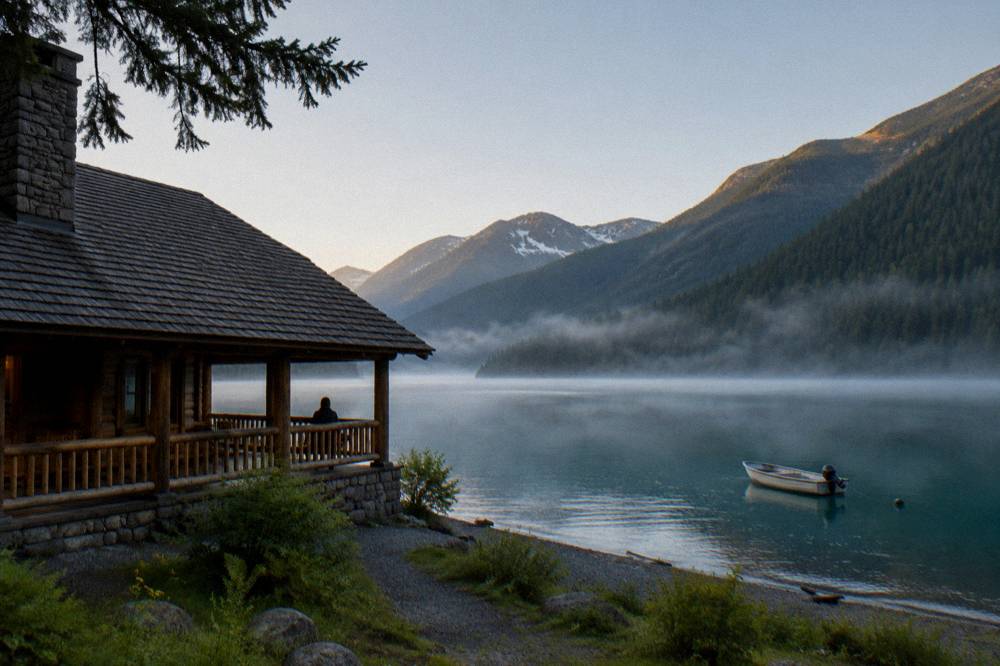
The Sol Duc, Lake Crescent And Ridge Day from Port Angeles, from $195 per person and rated 5.0 across 83 reviews, is the archetype of a well-balanced day: mountain, lake and valley in 9 hours. Ramya_V's review names the ridge payoff: "10/10 experience! I especially loved the views of Hurricane Ridge. Our tour guide, Eric, was so friendly and fun too." Visitors building a full trip around this style of day can browse Hurricane Ridge and Lake Crescent tours for the whole family of itineraries.
Is Spring Or Fall The Better Shoulder Season?
September is the stronger shoulder pick: the park still runs summer services through most of the month, Obstruction Point Road stays open through October 15, crowds thin after Labor Day, and coho salmon begin leaping at the Salmon Cascades overlook in late October. Spring offers green rainforest and fewer people, but with volatile road openings and a visitor center on reduced hours.
Fall's advantages are concrete. The Hoh's busiest parking crunch eases. The Sol Duc Hot Springs Resort, generally open late March through the last weekend in October, is still running. And the fall salmon spectacle at Salmon Cascades, about 5 miles down Sol Duc Road, where coho leap in late October and early November, is one of the park's underrated wildlife events, free once inside.
Spring's case is subtler. Between March 31 and April 30 the Hurricane Ridge road may open or close depending on conditions, day by day, so a spring ridge visit is a coin flip that should be settled the morning of, on the phone line the park provides. The Hoh visitor center generally runs Friday to Sunday in spring, and the rainforest itself is at peak lushness. April 15 is the date that matters for trekkers: summer wilderness permits release that morning at 7 AM Pacific.
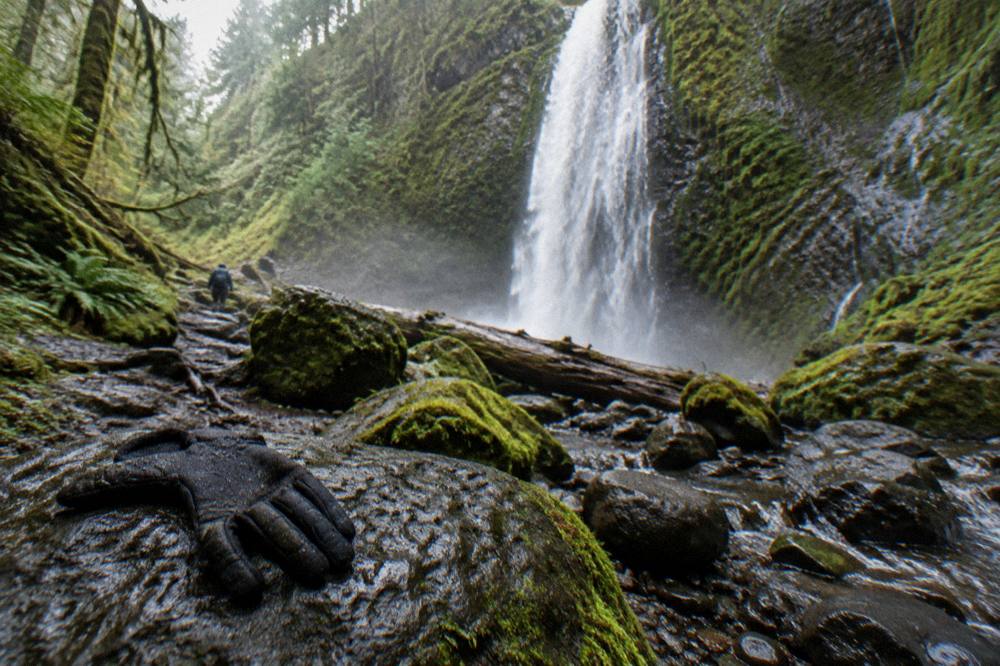
Shoulder-season visitors should also know what closes. From October through May some roads, campgrounds and facilities close or reduce hours, per the park's own hours page. That is not a reason to avoid the shoulder, it is a reason to book products that include logistics. A guest review on the Hurricane Ridge And Lake Crescent Day, from $188 per person and rated 4.6 across 220 reviews, captures the driver: Viviana writes, "Cyrus was a good guide and very careful driver." Mountain roads in October reward exactly that.
How Does Rainfall Vary Across Olympic National Park?
Annual precipitation ranges from 100 to 170 inches on the coast and western valleys, while Port Angeles averages 29.41 inches a year and Forks 101.32 inches. Hurricane Ridge traditionally records 30 to 35 feet of snow annually. The same storm hits the three zones so differently that a single weather forecast for the park is close to meaningless.
The mechanism is the mountains. Moist Pacific air rises over the Olympic range, dumps its water on the western slopes and arrives in the Port Angeles rainshadow substantially drier. That is why a visitor can stand in a downpour at the Hoh and drive 90 minutes to dry sidewalks in Port Angeles, or vice versa. The park's published figures, 140 inches in an average year at the Hoh, 29.41 inches in Port Angeles, 101.32 inches in Forks, are NOAA-backed numbers, and they hold as long-term averages, not forecasts.
For trip planning, the practical translation is this: pack for the west side, not the headquarters side. Rain gear is a July item at the Hoh, where any month can produce showers, while Port Angeles afternoons in the same week can be dry enough for shirtsleeves. Snow adds a second layer at elevation, where the white stuff can appear as early as late September, well before valley rain turns to winter.
The Rainshadow Effect In One Drive
The drive from Port Angeles to the Hoh passes through the entire gradient, from the drier northeast corner into the temperate rainforest core. Tours that cross this line in a day, like the Long Rainforest And Beach Day from Seattle, from $275 per person and rated 4.9 across 86 reviews, effectively give guests three weather systems in 13 hours. That is a planning fact, not a hardship: guests on these itineraries routinely report that the rain is part of the appeal, since the moss, the ferns and the forest color all depend on it.
What Should You Know About Crowds And Booking?
July and August concentrate the park's over 3 million annual visits, with Hoh parking filling by 10 AM and entrance-station waits of one to three hours in summer. Summer wilderness permits release April 15 at 7 AM Pacific and quota areas fill fast. Guided tours and campground reservations, both bookable well ahead, are the two levers that remove most of the uncertainty.
Booking logic differs by product. Seattle ferry day tours, like the Larger-Group Ferry Day Trip from $239 per person and rated 4.9 across 400 reviews, run frequent departures in summer but still sell out for peak weekends. The multi-day treks are the tightest: five-day itineraries with permits and campsites bundled, like the Two-Day Private Tour And Hike from $1,705 per group, need the most lead time. At the other extreme, the Self-Guided Audio Driving Tour needs no booking pressure at all, and the Forks Small-Group Hike, from $396 per person, caters to small parties from the Forks base, where a guest review praises exactly the flexibility that model allows: Curtis_F notes the guide was "very accommodating with snacks & delicious lunch" for a vegan traveler.
The information-gain summary below collects the seasonal facts that most first-page articles miss:
For hikers matching ambition to season, the best hikes guide pairs trails with the months they are actually snow-free, and the tour cost breakdown explains what the price ranges on this page include.
Which Month Should You Actually Choose?
Choose July or August for full access and every tour running, September for the same roads with fewer people, late October for salmon and storm-watching, and December through March for snowshoeing at Hurricane Ridge on a Friday-to-Sunday schedule. The month to avoid for a first visit is deep winter if the ridge is the goal, since four weekdays in five the road is closed.
There is a hidden asymmetry in that advice. Most visitors assume winter is the park's off season and summer its only real season, but the winter product at Hurricane Ridge, including the ranger-led snowshoe walks the park runs on winter weekends, is a genuine draw with a fraction of the crowds. The visitors who are best served by winter are those basing in Seattle for two or three days, since the snowshoe-adapted day tours from the city, from $188 per person on the Small-Group Ferry Day Tour, solve the chain requirement, the road schedule and the driving in one purchase.
| If You Want | Best Months | Book This Style | Watch Out For |
|---|---|---|---|
| Wildflowers and full ridge access | July to mid-September | Seattle day tours with ridge stops | 10 AM parking fills at the Hoh |
| Quietest good weather | Mid-September | Port Angeles van tours | Late-September snow possible at elevation |
| Rainforest at peak lushness | April to June | Rainforest and coast tours | Fri-Sun visitor center hours in spring |
| Salmon and storm watching | Late October to early November | Sol Duc and Lake Crescent tours | Reduced services from October |
| Snowshoeing and snow play | December to March | Snowshoe-adapted Seattle tours | Road open Fri-Sun only, chains required |
| Multi-day trekking | July to September | Guided treks with permits included | Permits release April 15, 7 AM Pacific |
One last planning note that belongs on this site rather than in a general weather summary: booking platforms and operators price the same itinerary differently by month, and several listings on this roster hold a flat from-price across the year, which means the summer slots carry the most demand pressure for the same dollar figure. Checking the live listing for the specific date is the only way to see real availability, and free-cancellation terms on many of these products mean an early booking costs nothing to change if the forecast turns.
Common Questions About The Best Time To Visit Olympic National Park
What is the best time to visit Olympic National Park?
July and August offer the fullest access: every road open, daily visitor services, and all tour formats running, at the cost of peak crowds. Mid-June through mid-September is the practical sweet spot, and September delivers most of that access with noticeably fewer people after the summer peak.
Is Olympic National Park good in winter?
Yes, with the right expectations. Winter visits center on Hurricane Ridge snowshoeing and skiing, with the road scheduled open Friday through Sunday and holiday Mondays, uphill traffic 9 AM to 4 PM. The rainforest and coast remain open but wet, with the Hoh visitor center closed January through early March.
When is the rainy season in Olympic National Park?
The west side is rainy year-round, with the heaviest precipitation from late fall through winter. Forks averages 101.32 inches a year and the Hoh 140 inches, while Port Angeles, in the rainshadow, averages 29.41 inches. July and August are the driest months in the valleys.
Do I need reservations for Olympic National Park?
No reservation or timed entry is needed to enter the park itself. Summer wilderness permits, May 15 to October 15, do require booking on Recreation.gov, releasing April 15 at 7 AM Pacific, and Hoh campground sites are reservable up to six months ahead. Guided tours book independently of all of this.
When does Hurricane Ridge open for summer?
The road is open throughout summer, with Obstruction Point Road, the gravel spur beyond the ridge, open from mid-June through October 15, weather and snow permitting. From late November the road shifts to a Friday-through-Sunday and holiday-Monday schedule.
What is the cheapest season to take a tour?
Tour from-prices on this site hold steady across the year, starting at $17 per group for the self-guided audio driving tour and $110 per person for the Lake Crescent Half-Day Tour, so the cheapest strategy is a shoulder-season date with the same published price and less competition for slots. The park's 2026 fee-free days also remove the entrance fee on eight dates.
Planning a month is really planning a route, and the route is what the weather decides: Olympic National Park Tours exists to make that pairing simple, with every guided option on the site matched to the seasons it actually runs in.